
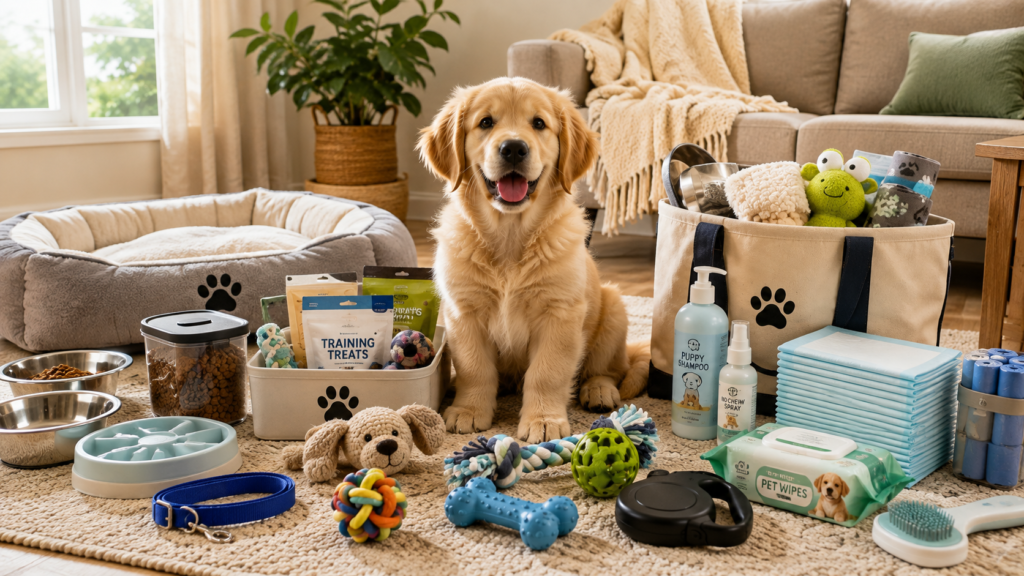
Bringing home a new puppy is one of the most exciting things ever — and one of the most overwhelming.
What do you actually need? What can wait? What’s a waste of money?
This puppy essentials list cuts through the noise and gives you exactly what you need before your puppy walks through the door. Whether you’re building your puppy starter kit from scratch or filling in the gaps on your new puppy checklist, this guide covers everything — safety, comfort, training, feeding, grooming, and more.
Let’s get your home puppy-ready.
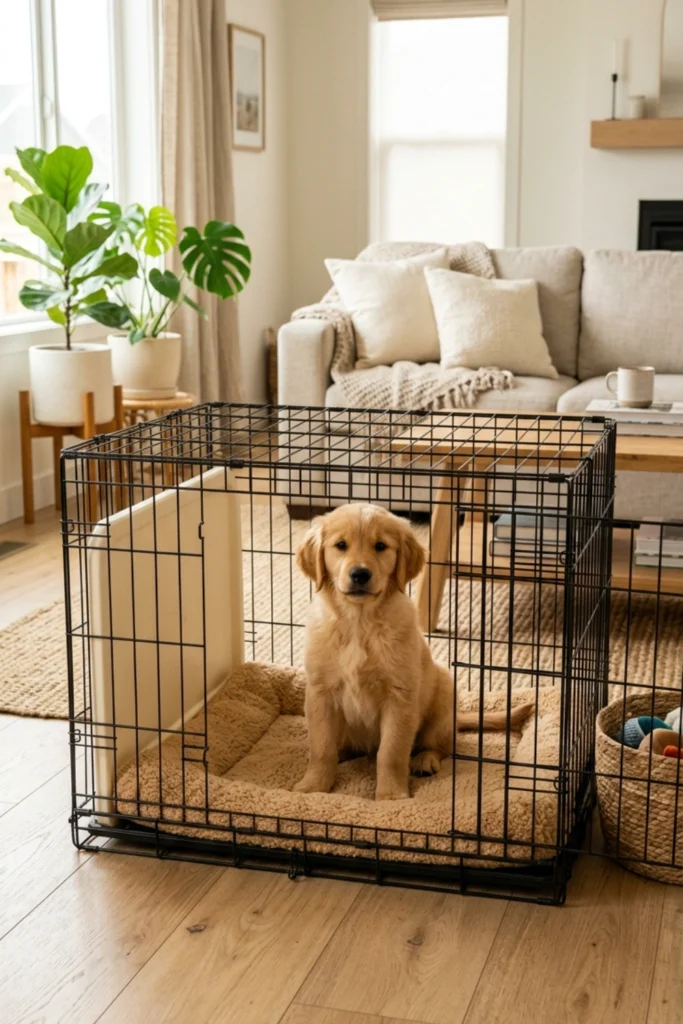
1. Dog Crate
A crate is one of the single most important items on your puppy shopping list. It gives your puppy a safe, quiet space to rest and helps enormously with potty training.
- Choose a crate that fits your puppy’s adult size, not just their current size
- Look for crates with adjustable dividers so you can make the space smaller while they’re young
- Wire crates offer great airflow; soft-sided crates are better for travel
Quick Tip: If the crate is too big, puppies may use one corner as a bathroom. Use the divider to keep the space snug.
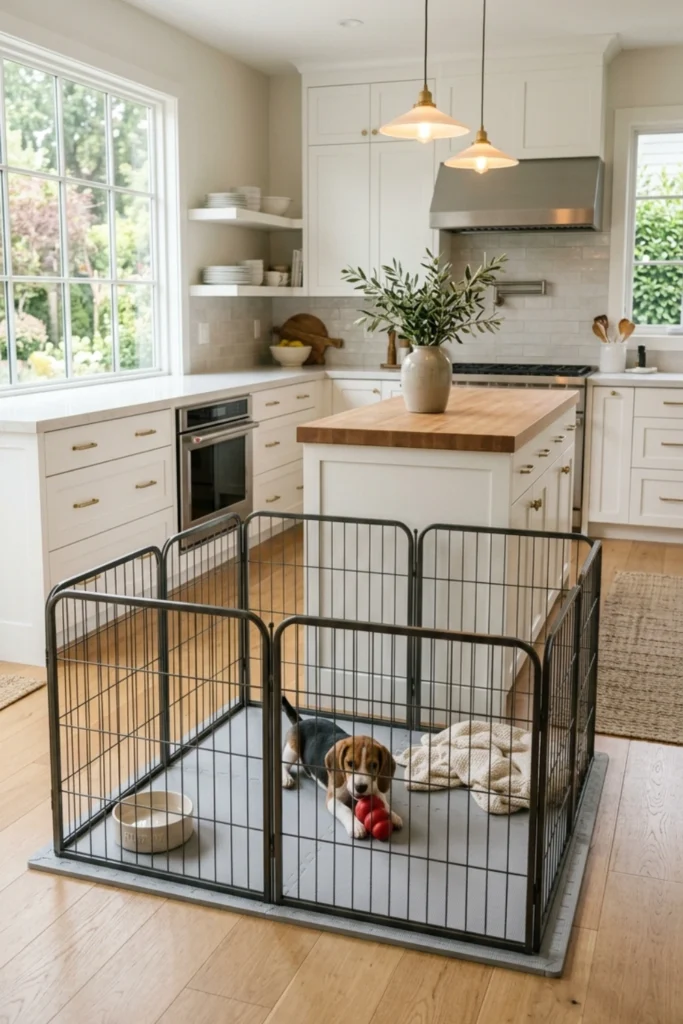
2. Puppy Playpen
A playpen gives your puppy a safe area to roam without having access to the entire house. It’s a total game-changer for the early weeks.
- Great for when you can’t directly supervise your puppy
- Use it in the kitchen, living room, or bedroom
- Look for foldable, easy-to-clean metal or plastic pens
Common Mistake: Don’t skip the playpen thinking the crate is enough. Puppies need supervised exploration time, and a pen gives them that safely.
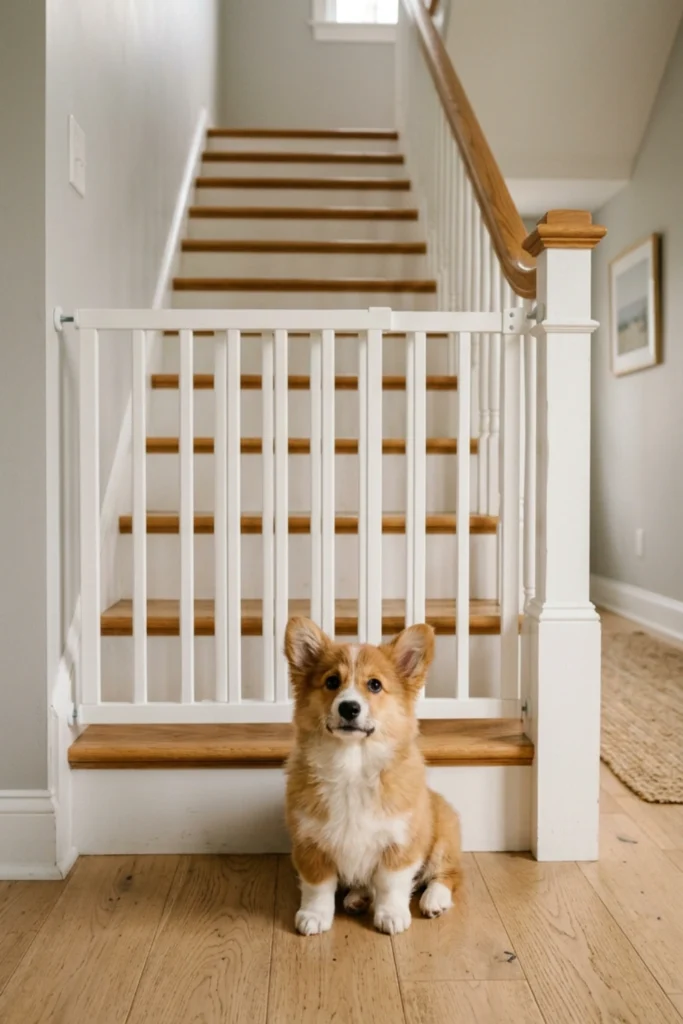
3. Baby Gates
Baby gates block off areas of your home that aren’t puppy-safe — staircases, kitchens, laundry rooms, and bedrooms.
- Choose pressure-mounted gates for convenience or hardware-mounted gates for stairs
- Look for gates with a walk-through door so you’re not constantly climbing over them
- Adjustable width gates work well for open-plan homes
Quick Tip: Block off stairs immediately. Puppies can seriously injure themselves on steps before their coordination fully develops.
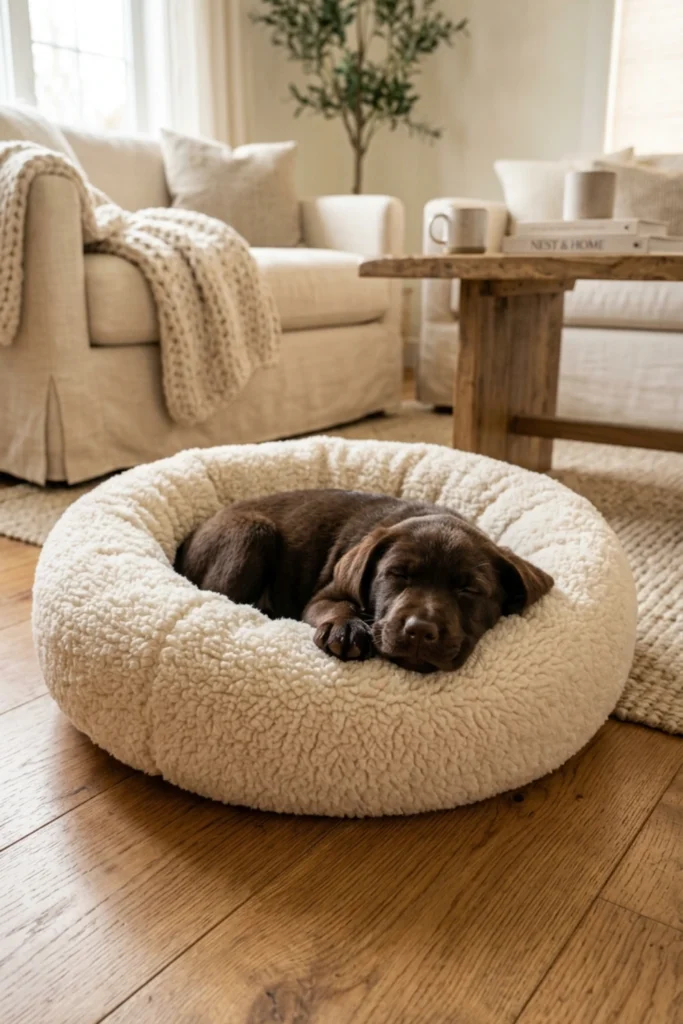
4. Puppy Bed or Crate Mat
Every puppy needs a cozy, comfortable place to sleep. A quality bed or crate mat makes the crate feel safe and inviting rather than like a punishment.
- Choose machine-washable beds — accidents happen constantly in the early weeks
- Sherpa fleece and orthopedic foam are both excellent options
- Avoid beds with stuffing that’s easy to pull out and swallow
Common Mistake: Buying a super expensive bed too early. Wait until your puppy is past the heavy chewing stage before investing in premium beds.
5. Puppy-Proofing Supplies
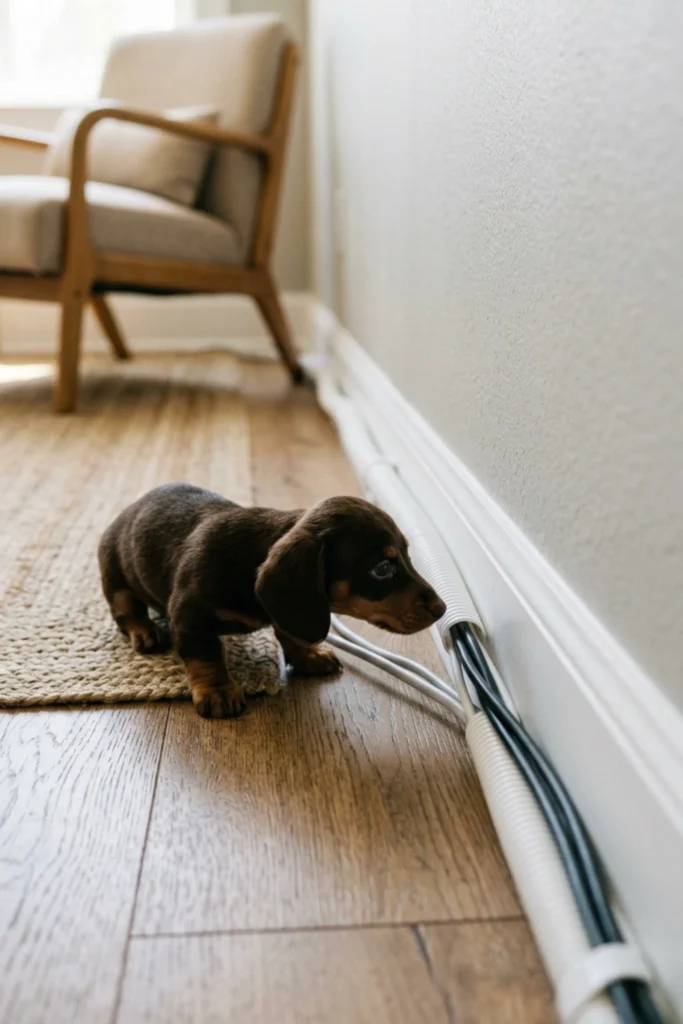
Before your puppy comes home, you need to puppy-proof just like you’d baby-proof for a toddler. This step saves furniture, wires, shoes — and your puppy’s life.
- Cover or hide electrical cords with cord protectors or cable boxes
- Use cabinet locks for cabinets storing cleaning products or medications
- Remove toxic houseplants like pothos, aloe vera, and peace lilies
Quick Tip: Get down on your hands and knees and look at your home from puppy height. You’ll immediately spot hazards you’d otherwise miss.
Feeding Essentials
6. High-Quality Puppy Food
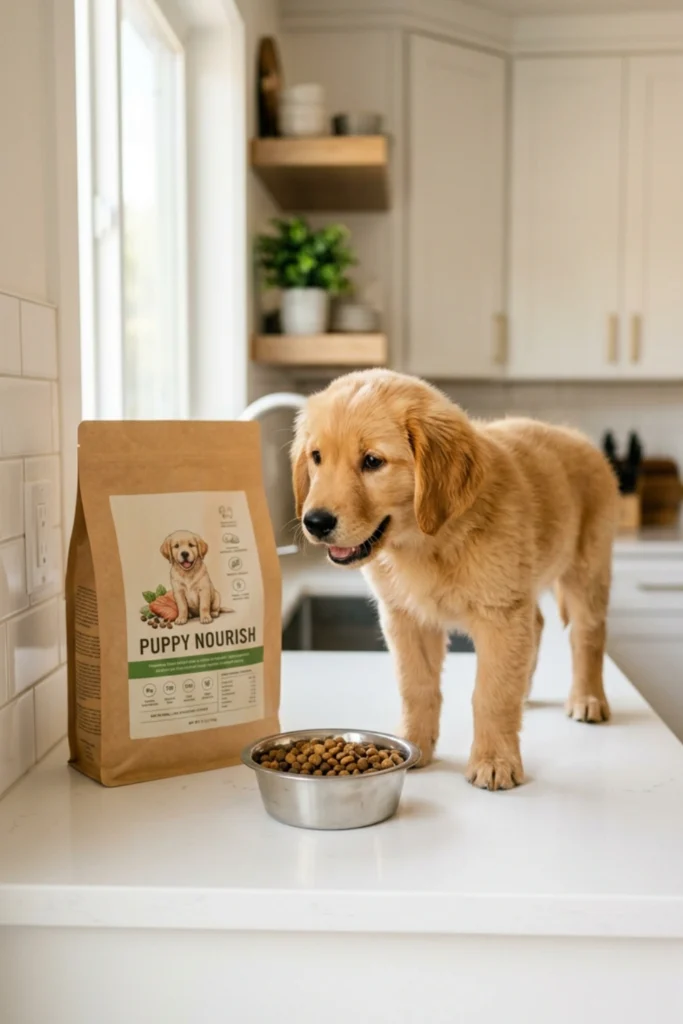
Puppy food is specifically formulated for growth, brain development, and bone strength. This is not the place to cut corners.
- Look for food with a named protein source (chicken, beef, salmon) as the first ingredient
- Avoid fillers like corn syrup, artificial colors, and unnamed “meat by-products”
- Choose food appropriate for your puppy’s breed size — small breeds and large breeds have very different nutritional needs
Important: Always consult your veterinarian before choosing a puppy food, especially if your puppy has any health concerns.
7. Stainless Steel Food and Water Bowls
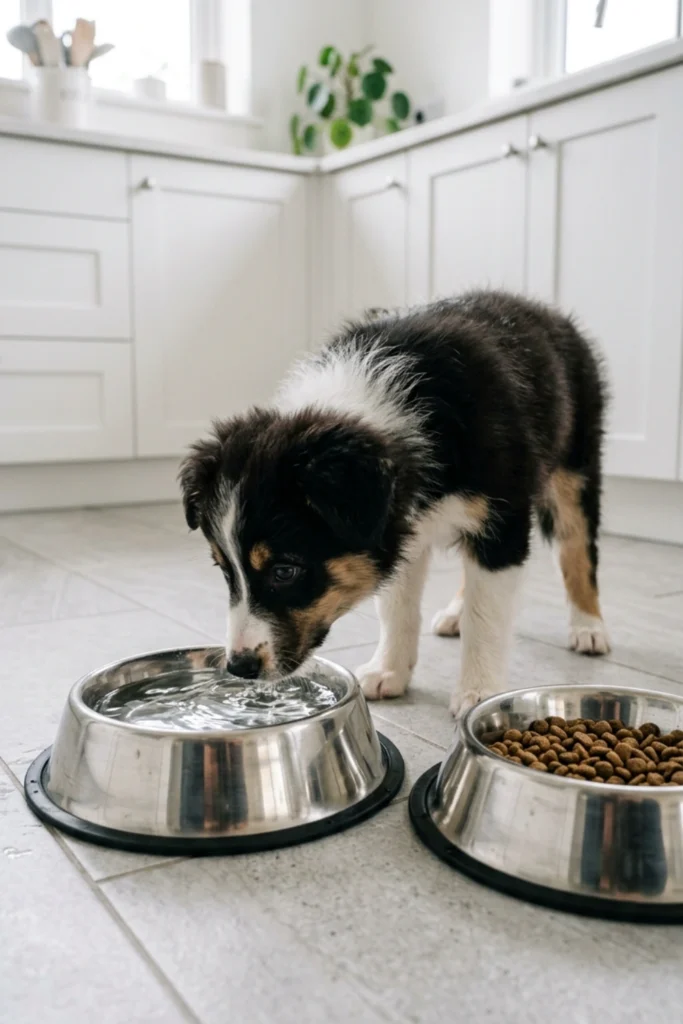
Stainless steel bowls are durable, dishwasher-safe, and don’t harbor bacteria the way plastic bowls can.
- Avoid plastic bowls — they scratch easily and bacteria can grow inside those scratches
- Choose non-slip bases to stop the bowl sliding across the floor
- Get appropriately sized bowls — a tiny bowl for a golden retriever puppy won’t last long
Quick Tip: Wash your puppy’s bowls daily. Biofilm builds up faster than most people realize, even in bowls that look clean.
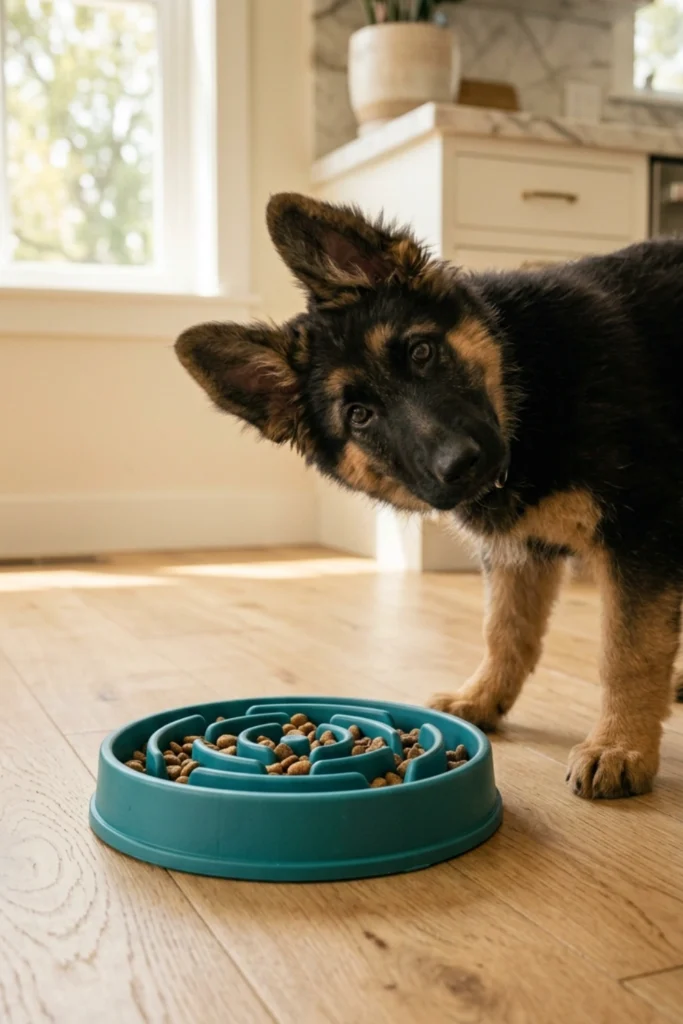
8. Slow Feeder Bowl
Many puppies eat too fast, which can cause choking, bloating, and digestive issues. A slow feeder bowl solves this simply.
- The maze-like ridges inside the bowl force your puppy to eat slower
- Works for both wet and dry food
- Easy to clean — look for dishwasher-safe options
Common Mistake: Skipping the slow feeder because your puppy “seems fine.” Puppies that eat fast are at higher risk of vomiting and digestive discomfort.
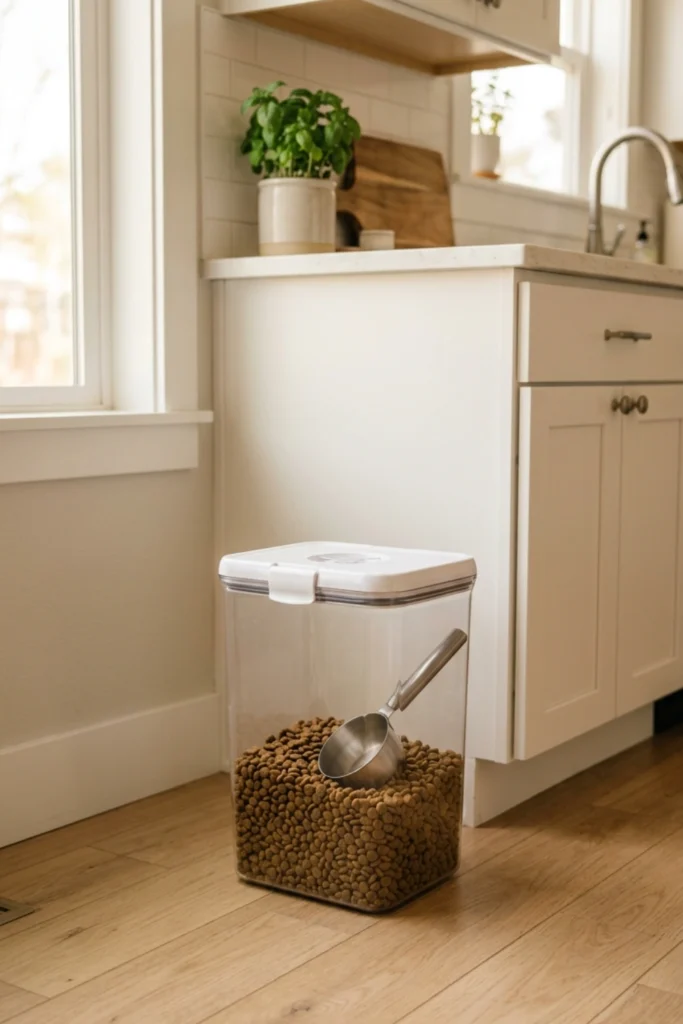
9. Puppy Food Storage Container
Keeping puppy food in its original bag leaves it exposed to air, moisture, and pests. An airtight container is a simple upgrade every new puppy owner needs.
- Choose BPA-free, airtight containers with a secure locking lid
- Look for containers with wheels if you buy large bags
- Clear containers let you see when you’re running low
Quick Tip: Keep a measuring scoop inside the container so you always feed the right portion size without hunting for the scoop every mealtime.
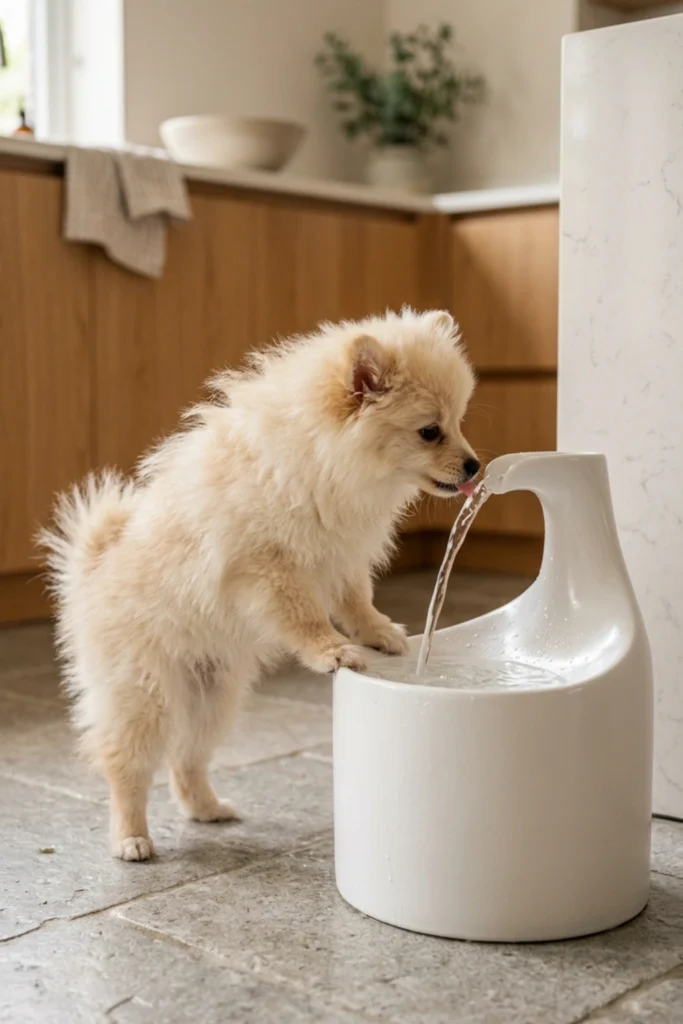
10. Puppy Water Fountain
Puppies need constant access to fresh water. A pet water fountain keeps water circulating, which encourages puppies to drink more.
- Circulating water stays fresher and is less likely to grow bacteria than standing water
- Look for models with replaceable carbon filters
- Choose a fountain appropriate for your puppy’s size — small puppies can struggle with large fountains
Quick Tip: Replace the filter monthly and clean the fountain base weekly for best hygiene.
Collar, ID & Leash
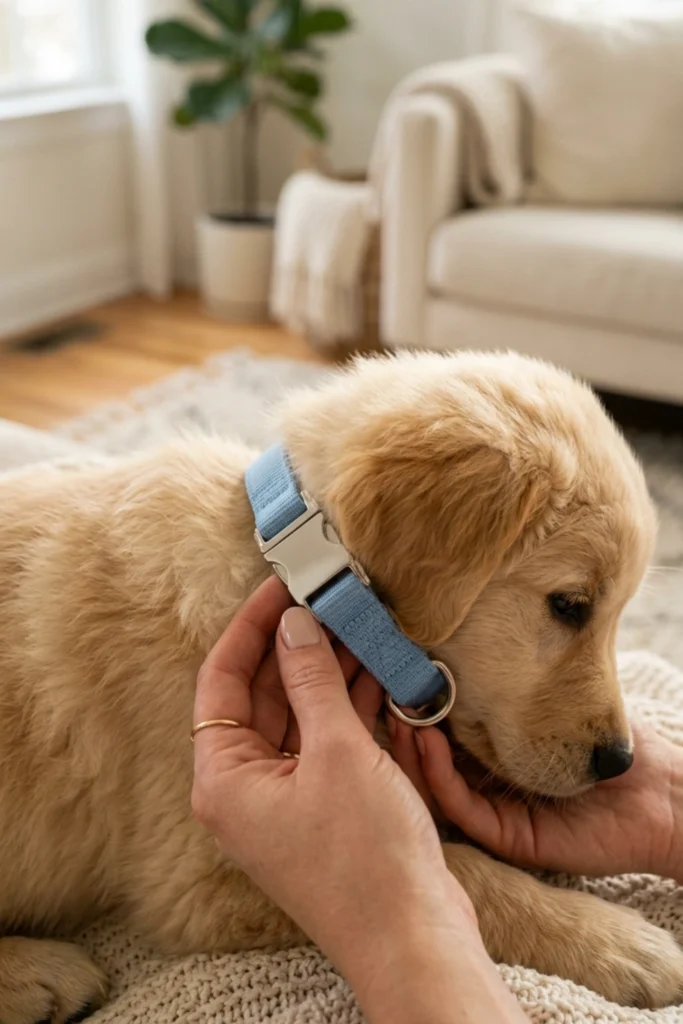
11. Adjustable Puppy Collar
Your puppy needs a collar from day one — not just for walks, but to hold their ID tag. Puppies grow fast, so adjustability is key.
- Choose a lightweight, adjustable collar with a breakaway or quick-release buckle
- Nylon and soft cotton collars are comfortable for young puppies
- You should be able to fit two fingers comfortably between the collar and your puppy’s neck
Common Mistake: Buying a collar that fits now but won’t fit in three weeks. Choose one with a wide adjustment range.
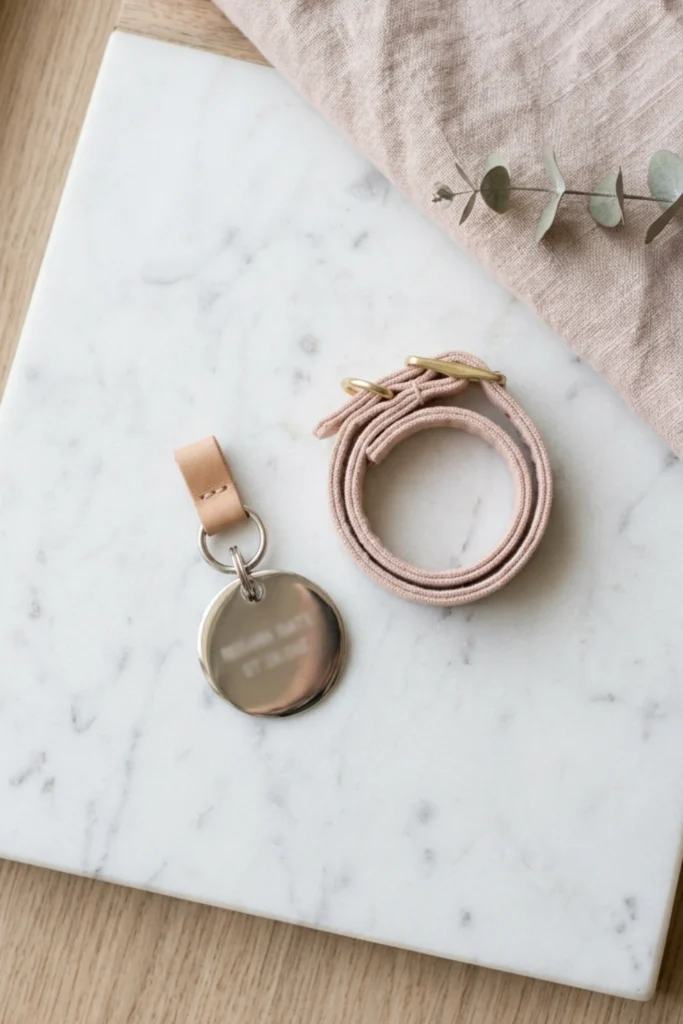
12. Personalized ID Tag
An ID tag is one of the cheapest, most important items on your entire new puppy checklist. If your puppy ever gets lost, this tag could bring them home.
- Engrave your name and phone number — you don’t need to include your address
- Keep the tag updated if you move or change numbers
- Choose a slide-on or rivet tag instead of clip-on tags — clip-on tags fall off easily
Quick Tip: Order the ID tag before your puppy comes home so it’s ready to go on day one.
13. Lightweight Puppy Leash
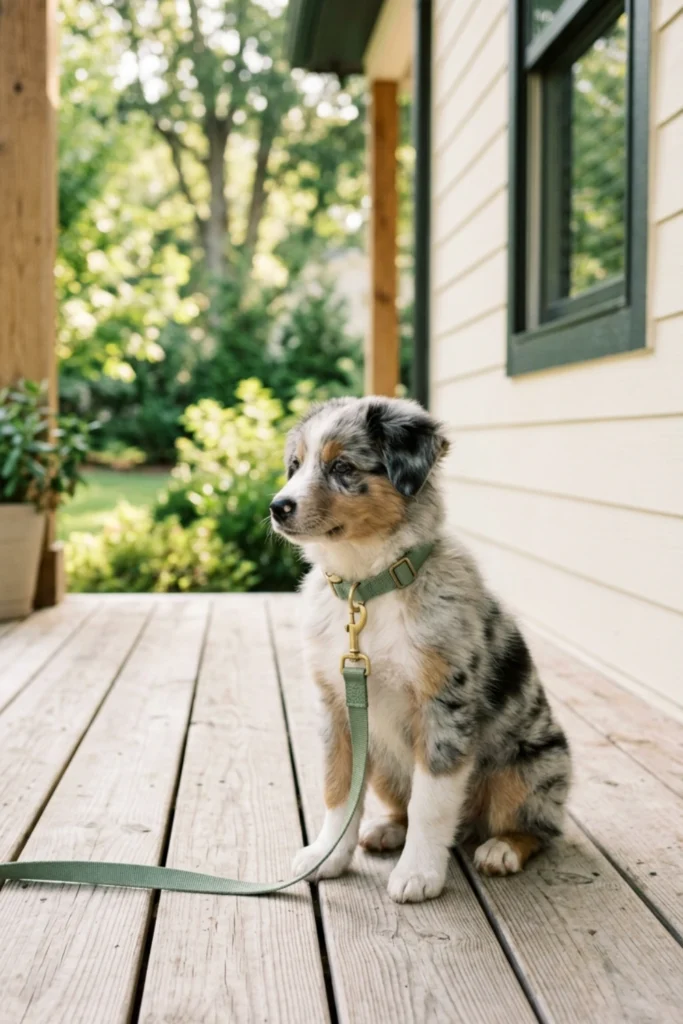
Walking a puppy isn’t like walking an adult dog. You need a leash that’s lightweight, easy to handle, and appropriate for training.
- A 4–6 foot standard leash is ideal for puppies — avoid retractable leashes during training
- Nylon and biothane leashes are durable, easy to clean, and gentle on hands
- Choose a thinner, lighter leash — heavy leashes overwhelm small puppies
Common Mistake: Using a retractable leash with a puppy. They teach pulling and offer no control during early leash training.
14. Puppy Harness
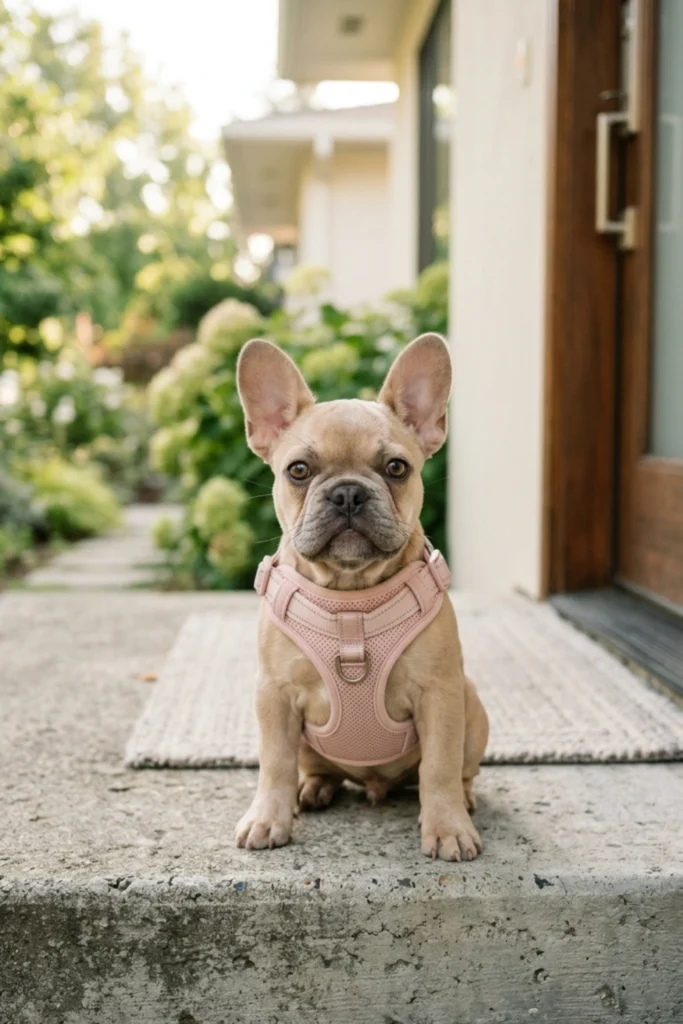
For puppies that pull or have delicate necks (like small breeds), a harness is safer and more comfortable than a collar alone for walks.
- Choose a back-clip harness for casual walks and a front-clip harness for training purposes
- Look for padded, adjustable designs with multiple size settings
- Avoid harnesses that restrict shoulder movement
Quick Tip: Many trainers recommend having both a collar (for ID tags) and a harness (for walks) right from the start.
Toys & Enrichment
15. Chew Toys
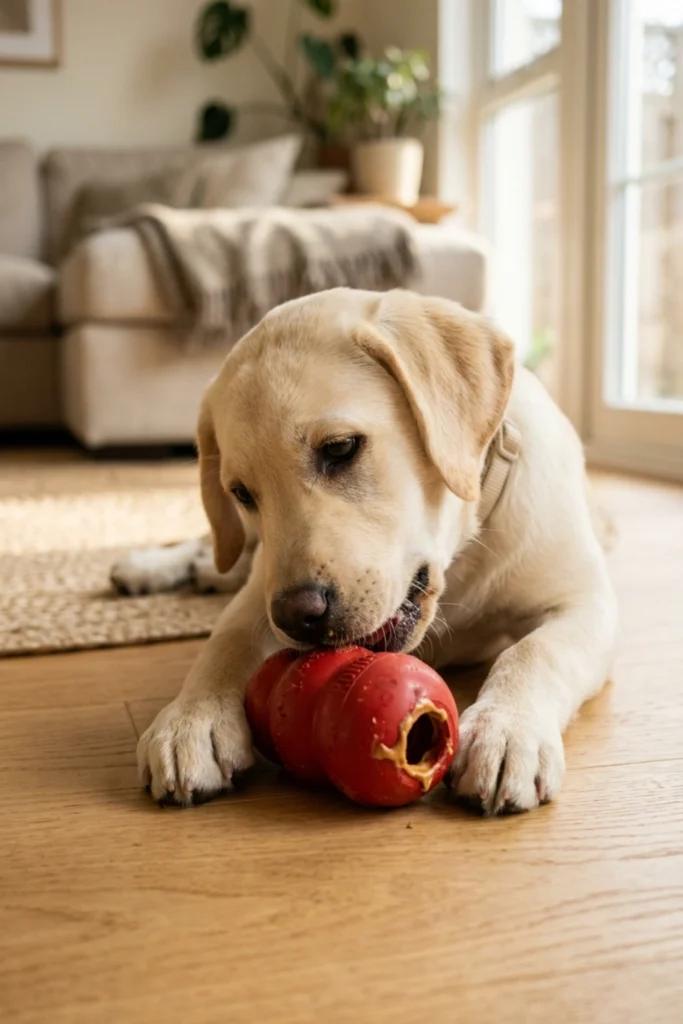
Puppies chew. Everything. Chew toys redirect that instinct away from your furniture, shoes, and baseboards.
- Look for durable rubber chew toys like KONG — they hold up to heavy chewing
- Avoid toys with small parts that can break off and be swallowed
- Rotate toys every few days to keep your puppy interested
Quick Tip: Fill a rubber chew toy with peanut butter (xylitol-free) and freeze it. It keeps your puppy busy for a long time and soothes teething gums.
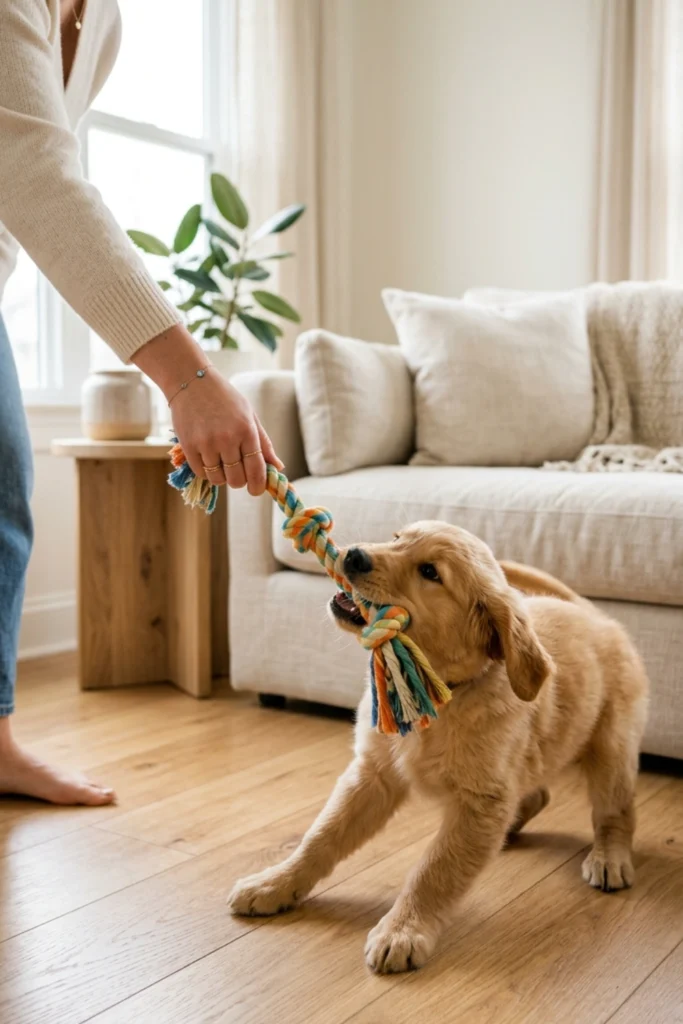
16. Rope Toys
Rope toys are great for interactive play, teething relief, and bonding with your puppy during tug-of-war games.
- Choose cotton rope toys — they’re gentle on puppy teeth and gums
- Inspect rope toys regularly — swallowed rope fibers can cause serious digestive blockages
- Use rope toys only during supervised play, not as solo chew toys
Common Mistake: Leaving your puppy alone with a rope toy. Rope strands can unravel and be swallowed, which is a choking and blockage risk.
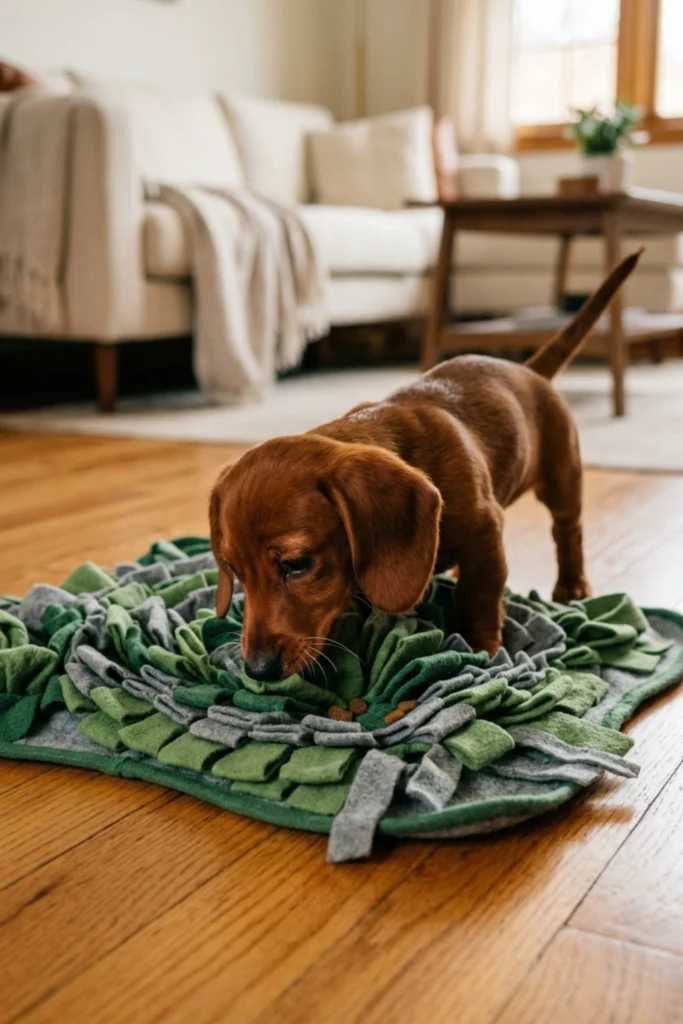
17. Puzzle Toys
Puzzle toys keep your puppy’s brain working and help reduce problem behaviors that come from boredom, like chewing and barking.
- Start with beginner-level puzzle toys — puppies get frustrated easily with complex ones
- Snuffle mats are a great first puzzle toy
- Food-dispensing puzzle toys pair mental stimulation with reward
Quick Tip: Even 10–15 minutes of puzzle play can tire a puppy out as effectively as a walk. Great for rainy days.
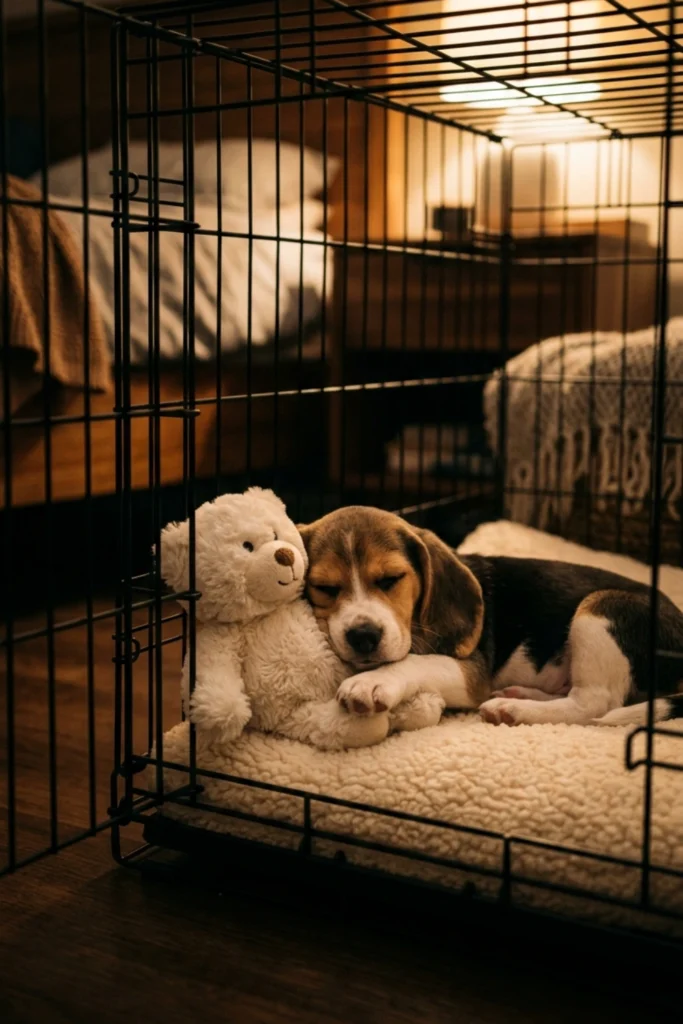
18. Plush Squeaky Toys
Puppies love soft plush toys for carrying, cuddling, and squeaking. They’re especially comforting during the first few nights at home.
- Look for reinforced stitching and pet-safe stuffing — puppies will try to disembowel them immediately
- Remove and replace plush toys when they become heavily worn
- A plush toy with a heartbeat feature can comfort puppies missing their littermates
Quick Tip: Tuck a soft plush toy near a warm (not hot) heating pad under a blanket in the crate on night one. It mimics the warmth of littermates.
Grooming Essentials
19. Puppy Brush or Comb
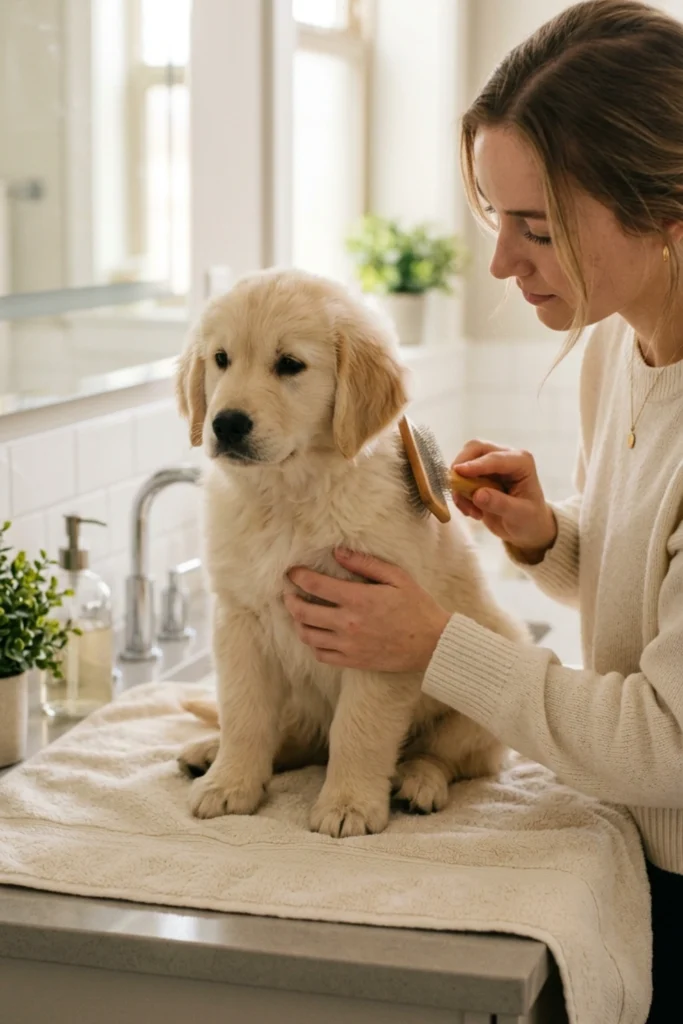
Start grooming early. Getting your puppy used to being brushed young makes it a positive, calm routine for life — no matter the breed.
- Short-haired breeds do well with a rubber grooming mitt
- Long-haired and double-coated breeds need a slicker brush and a wide-tooth comb
- Brush gently — puppy skin is sensitive
Quick Tip: Keep grooming sessions short at first — 2 to 3 minutes is plenty. Build duration gradually as your puppy gets comfortable.
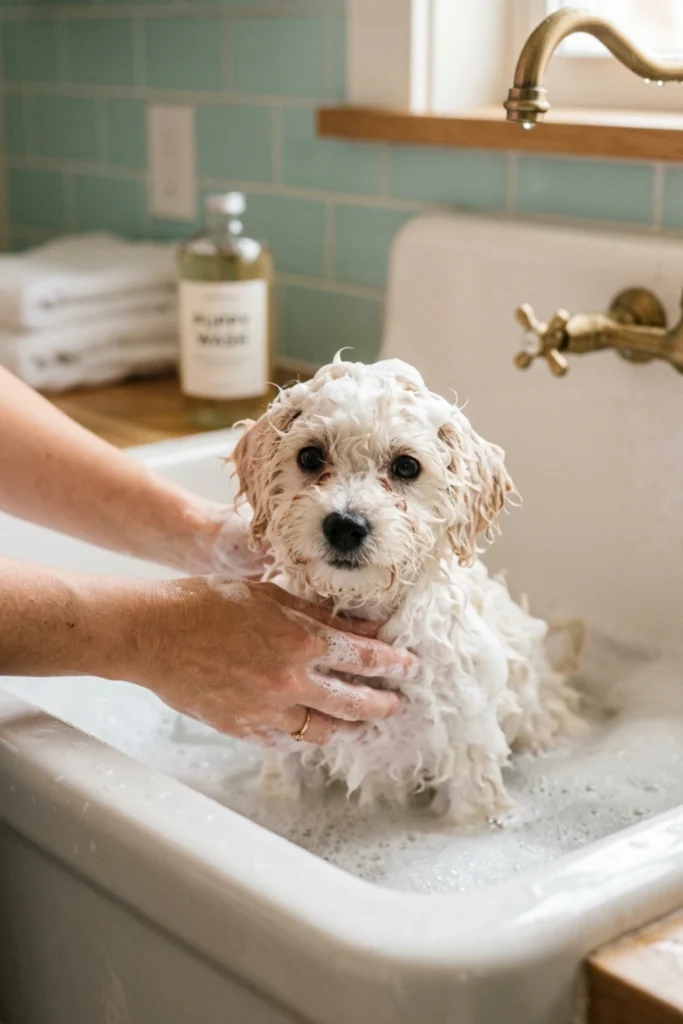
20. Puppy Shampoo
Puppies need a gentle, tearless shampoo formulated specifically for their delicate skin and coat. Adult dog shampoos and human shampoos are too harsh.
- Look for oatmeal-based or aloe vera puppy shampoos — soothing and gentle
- Choose tearless formulas for around the face
- Avoid shampoos with artificial fragrances or sulfates
Important: Don’t over-bathe your puppy. Once every 4–6 weeks is typically sufficient unless your vet advises otherwise.
21. Nail Clippers or Grinder
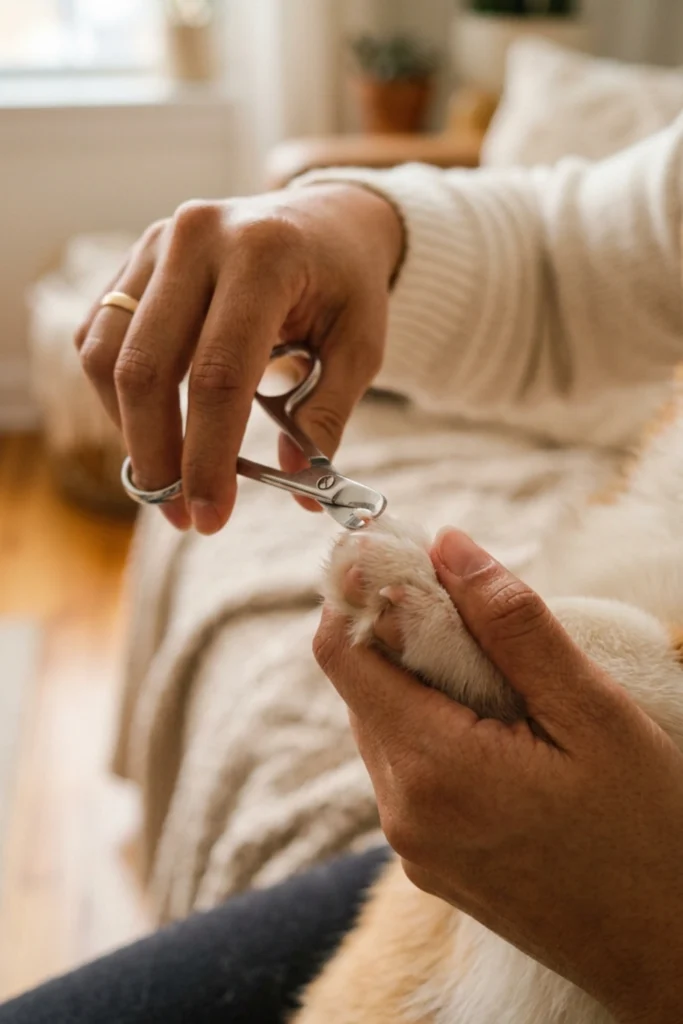
Long nails cause pain and posture problems in puppies. Regular nail trims should start as early as possible to build comfort with the process.
- Scissor-style clippers work well for small puppy nails
- A nail grinder is a gentler option for puppies that react badly to clipping
- Trim just the tip — avoid the quick (the pink nerve inside the nail)
Quick Tip: If you’re nervous about trimming nails, ask your vet or groomer to show you how at your first appointment.
22. Puppy Toothbrush and Toothpaste
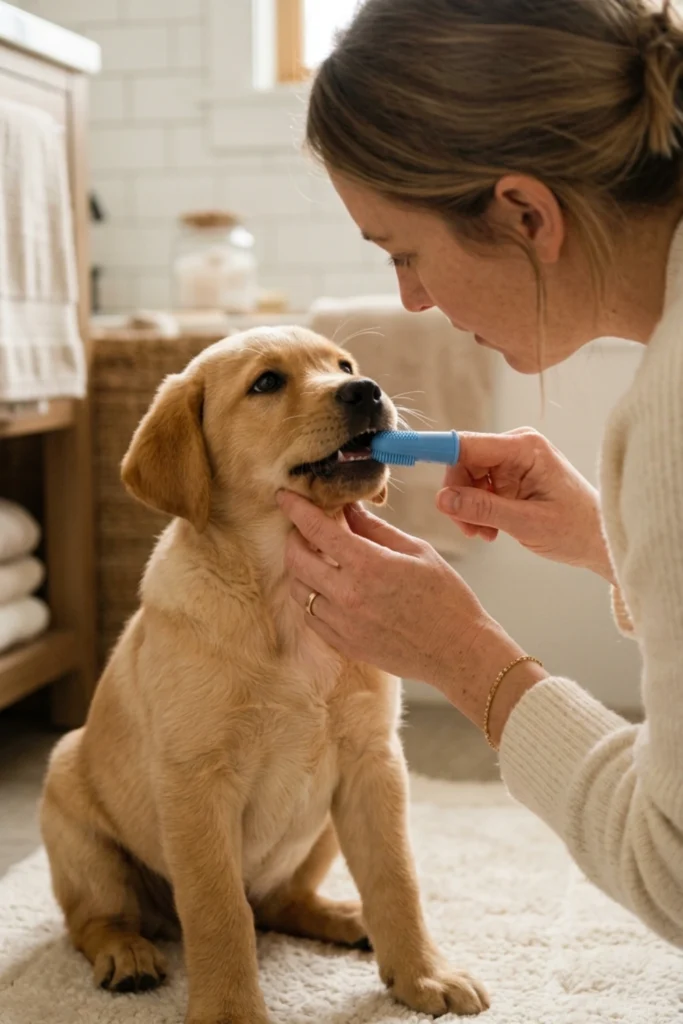
Dental disease is one of the most common health issues in dogs — and it’s largely preventable by starting a tooth brushing routine young.
- Use a puppy-safe enzymatic toothpaste — never human toothpaste, which contains xylitol and fluoride that are toxic to dogs
- Finger brushes work great for puppies who are nervous about traditional toothbrushes
- Aim to brush 2–3 times per week, working up to daily
Important: Always use toothpaste specifically formulated for dogs. Consult your vet if you have questions about your puppy’s dental health.
Health & Safety
23. Puppy First Aid Kit
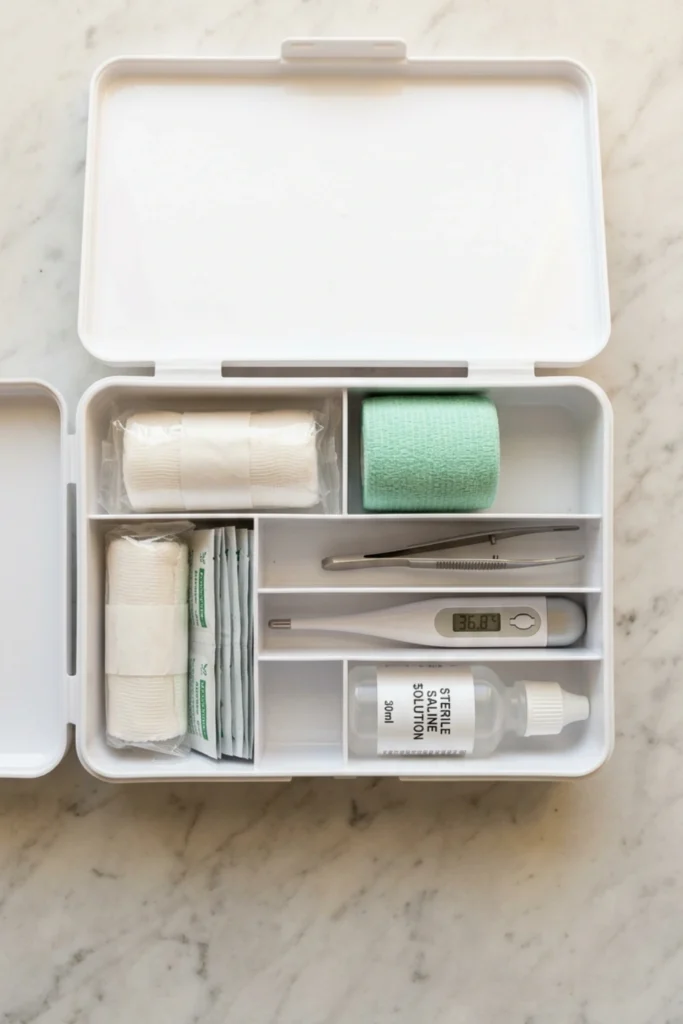
Accidents happen. Having a basic first aid kit ready means you’re not scrambling in a panic when your puppy gets a cut or scrape.
- Include: gauze, antiseptic wipes, saline solution, vet wrap, tweezers, and a digital thermometer
- Add your vet’s phone number and the ASPCA Animal Poison Control number (888-426-4435) to the kit
- Keep the kit somewhere easy to access, not buried in a cabinet
Quick Tip: Take a basic pet first aid course. The Red Cross and many local vet clinics offer them.
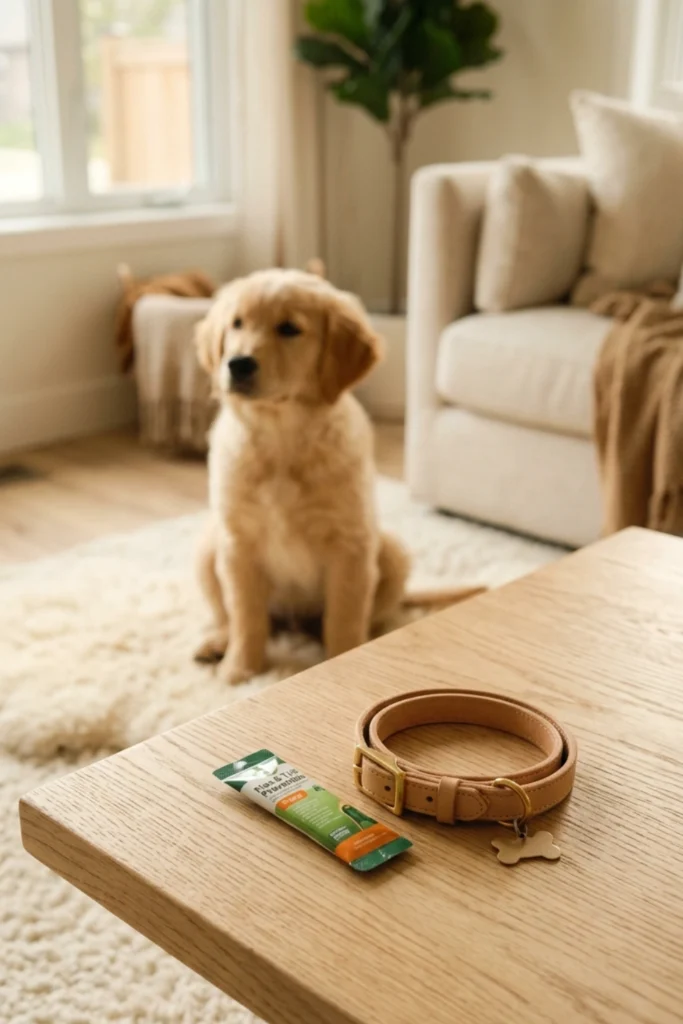
24. Flea, Tick, and Parasite Prevention
Puppies are vulnerable to fleas, ticks, heartworm, and intestinal parasites. Prevention is far easier and cheaper than treatment.
- Talk to your vet about the best age-appropriate parasite prevention for your puppy
- Many treatments aren’t safe for puppies under 8 weeks old
- Don’t use adult dog flea products on puppies — dosing is different and can be dangerous
Important: Always consult your licensed veterinarian before starting any flea, tick, or parasite prevention product on your puppy.
25. Poop Bags and Dispenser
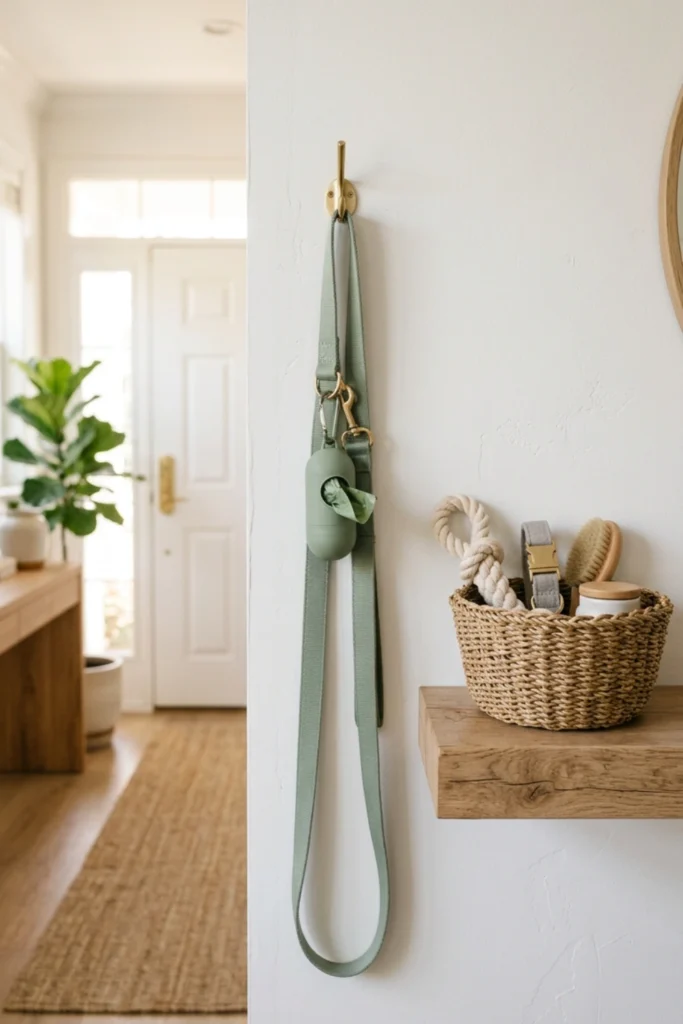
A responsible puppy owner always picks up after their dog — everywhere. Stock up before your puppy comes home.
- Choose thick, unscented, leak-proof bags — thin bags are miserable to use
- Clip a bag dispenser to your leash so you always have one within reach
- Biodegradable options are widely available if you prefer eco-friendly choices
Quick Tip: Keep a stash near the front door, clipped to the leash, in your car, and in your bag. You will use them constantly.
Training Essentials
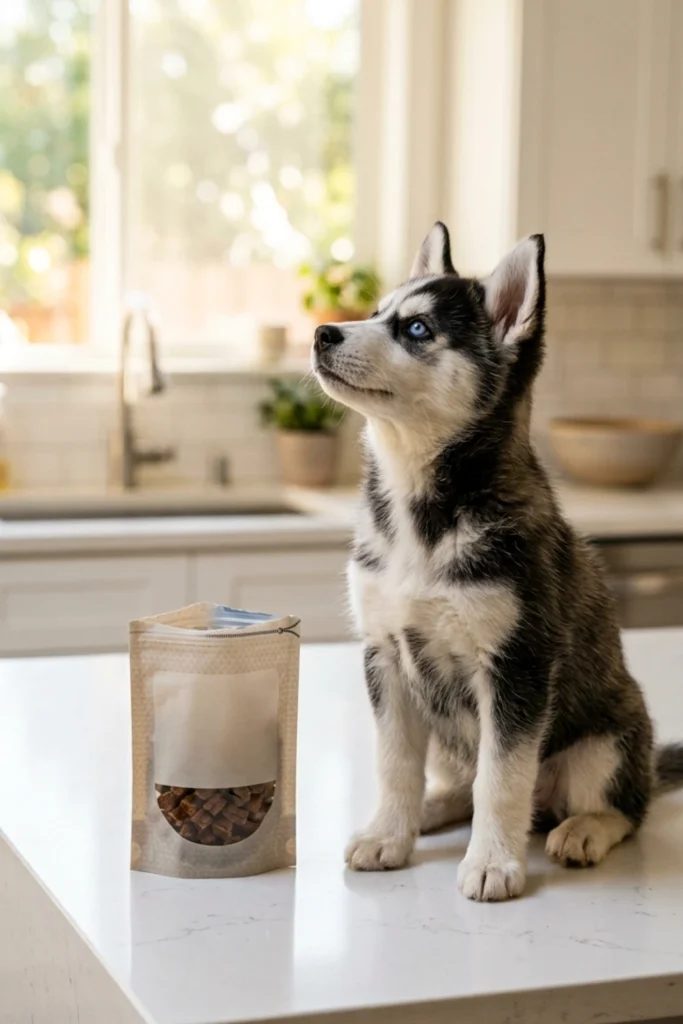
26. Training Treats
Training treats are the single most powerful tool in early puppy training. Small, soft, smelly treats work best.
- Treats should be pea-sized or smaller — you’ll use dozens during a single training session
- Soft treats work faster than hard treats because puppies don’t have to pause to crunch
- Rotate flavors to keep your puppy engaged
Common Mistake: Using kibble as training treats for a puppy who isn’t very food motivated. High-value treats like freeze-dried chicken or beef work dramatically better.
27. Clicker
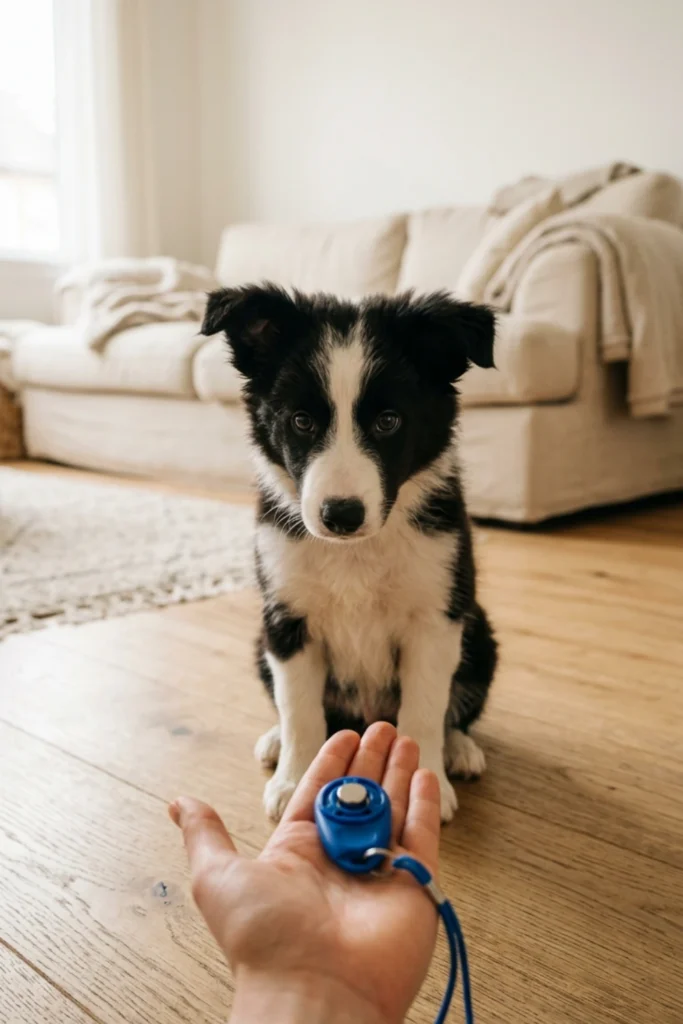
Clicker training is one of the most effective and positive ways to train a puppy. The click marks the exact moment your puppy does something right.
- Clickers are inexpensive — a small investment with massive training payoff
- Pair every click with an immediate treat to build the association
- Use a consistent click — always one click per correct behavior
Quick Tip: Search for free puppy clicker training videos on YouTube before starting. A five-minute tutorial will get you set up correctly.
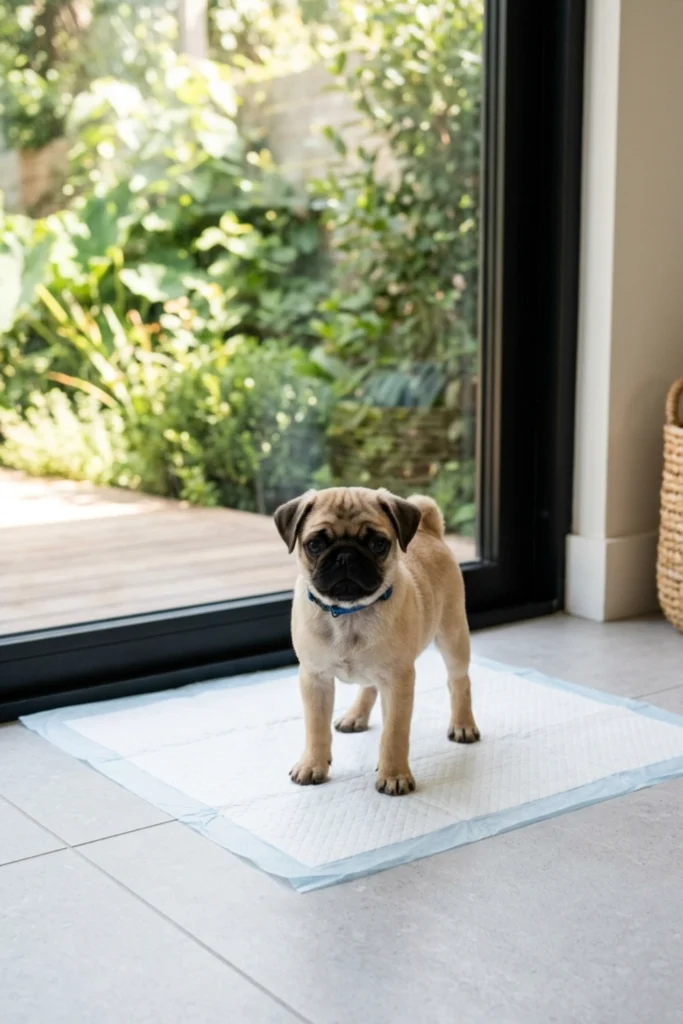
28. Potty Training Pads
Potty training pads are a helpful bridge tool — especially for apartment dwellers, cold climates, or the early weeks before a puppy is fully vaccinated.
- Use pads in a consistent location — moving them around confuses puppies
- Transition to outdoor potty training gradually by moving the pad closer to the door over time
- Look for pads with attractant scent built in — it genuinely helps puppies understand what the pad is for
Common Mistake: Using pads indefinitely without a plan to transition outside. Pads are a tool, not a permanent solution for most dogs.
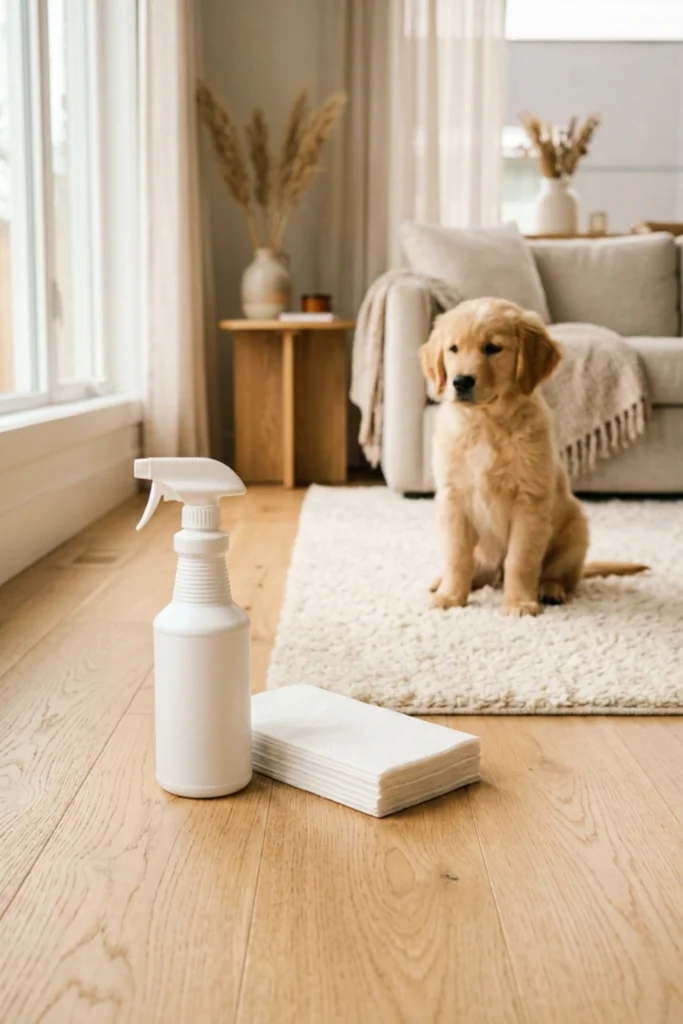
29. Enzyme Cleaner
Puppies will have accidents. Enzyme cleaner doesn’t just mask the smell — it breaks down the proteins in urine that attract puppies back to the same spot.
- Use an enzyme cleaner immediately after every indoor accident
- Avoid ammonia-based cleaners — ammonia smells similar to urine and can encourage repeat accidents
- Let the enzyme cleaner soak for the recommended time before blotting — don’t rush it
Quick Tip: Keep a spray bottle of enzyme cleaner in every room where your puppy spends time during the early weeks.
Travel & On-The-Go
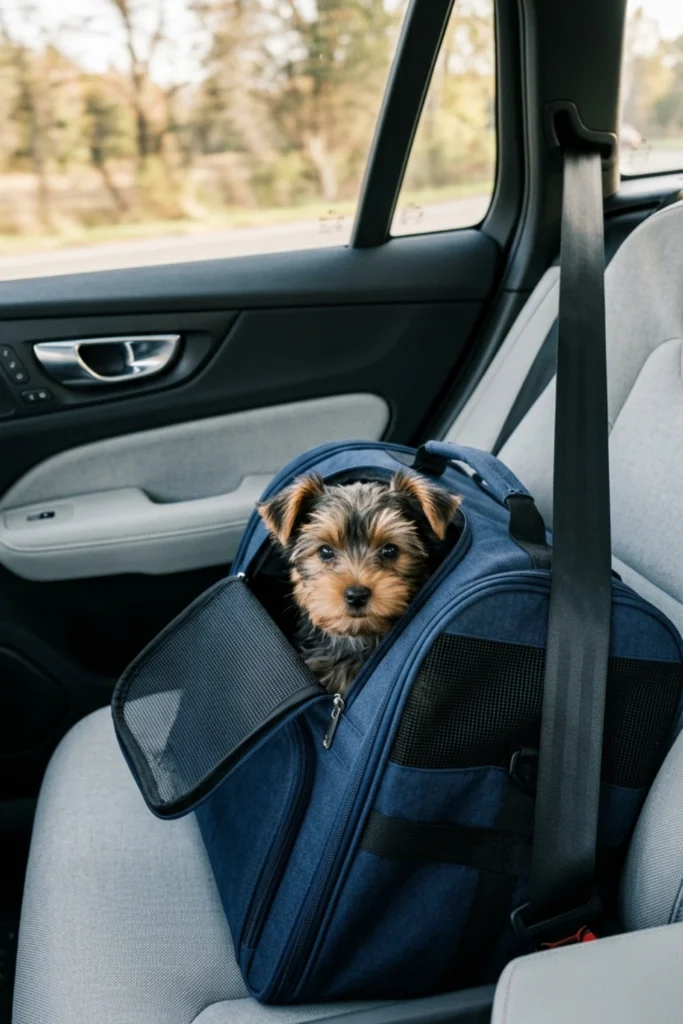
30. Puppy Travel Carrier or Car Seat
Keeping your puppy restrained during car travel isn’t just safer for them — it’s safer for you and everyone else in the vehicle.
- Small puppies do well in soft-sided travel carriers secured with a seatbelt
- Medium to large puppy breeds benefit from a car seat harness attached to the seatbelt
- Never let your puppy ride loose in the car — even a short stop can cause serious injury
Quick Tip: Practice car travel with short trips first. Take your puppy somewhere fun — not just to the vet — so they build a positive association with the car.
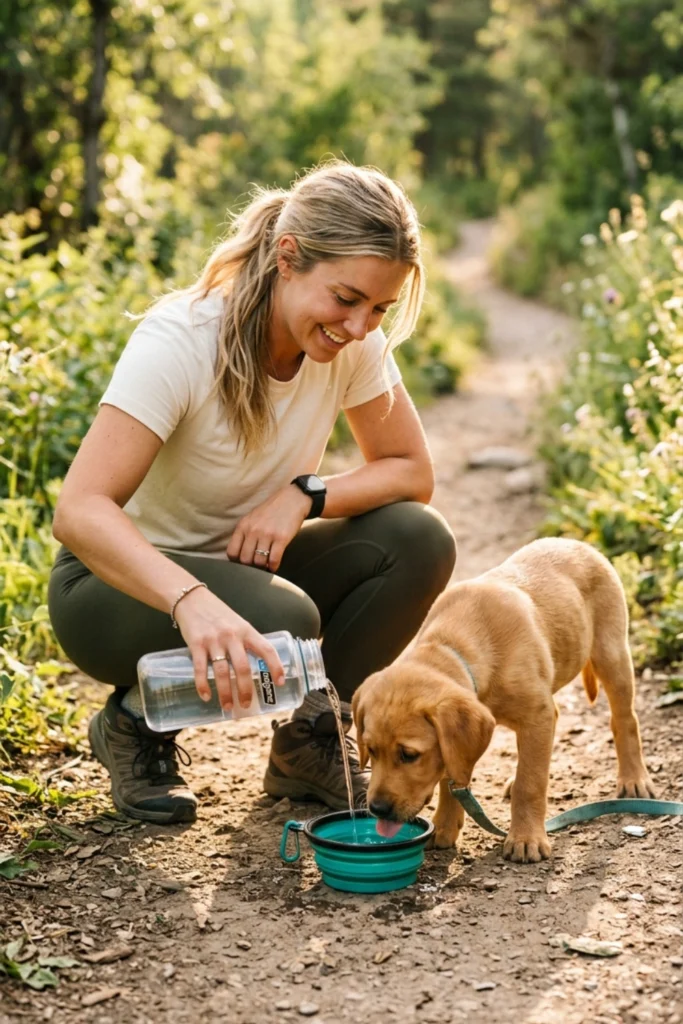
31. Collapsible Travel Water Bowl
Puppies dehydrate quickly, especially during walks, outings, and travel. A collapsible water bowl is lightweight, pocketable, and essential.
- Silicone collapsible bowls fold flat and weigh almost nothing
- Keep one clipped to your leash or in your bag at all times
- Rinse and fully dry after each use to prevent mold
Quick Tip: On hot days, bring more water than you think you’ll need. Puppies need frequent water breaks — about every 20 minutes during outdoor play.
Getting ready for a new puppy feels like a lot — and honestly, it is. But having the right supplies in place before your puppy comes home makes those early weeks so much calmer, smoother, and more enjoyable for both of you.
You don’t have to buy everything on this list at once. Start with the essentials, get your home set up safely, and add items as you need them.
The most important thing isn’t having the perfect puppy kit — it’s showing up every day with patience, consistency, and a whole lot of love. Your puppy doesn’t need perfection. They just need you.
Welcome to the best adventure of your life. 🐾