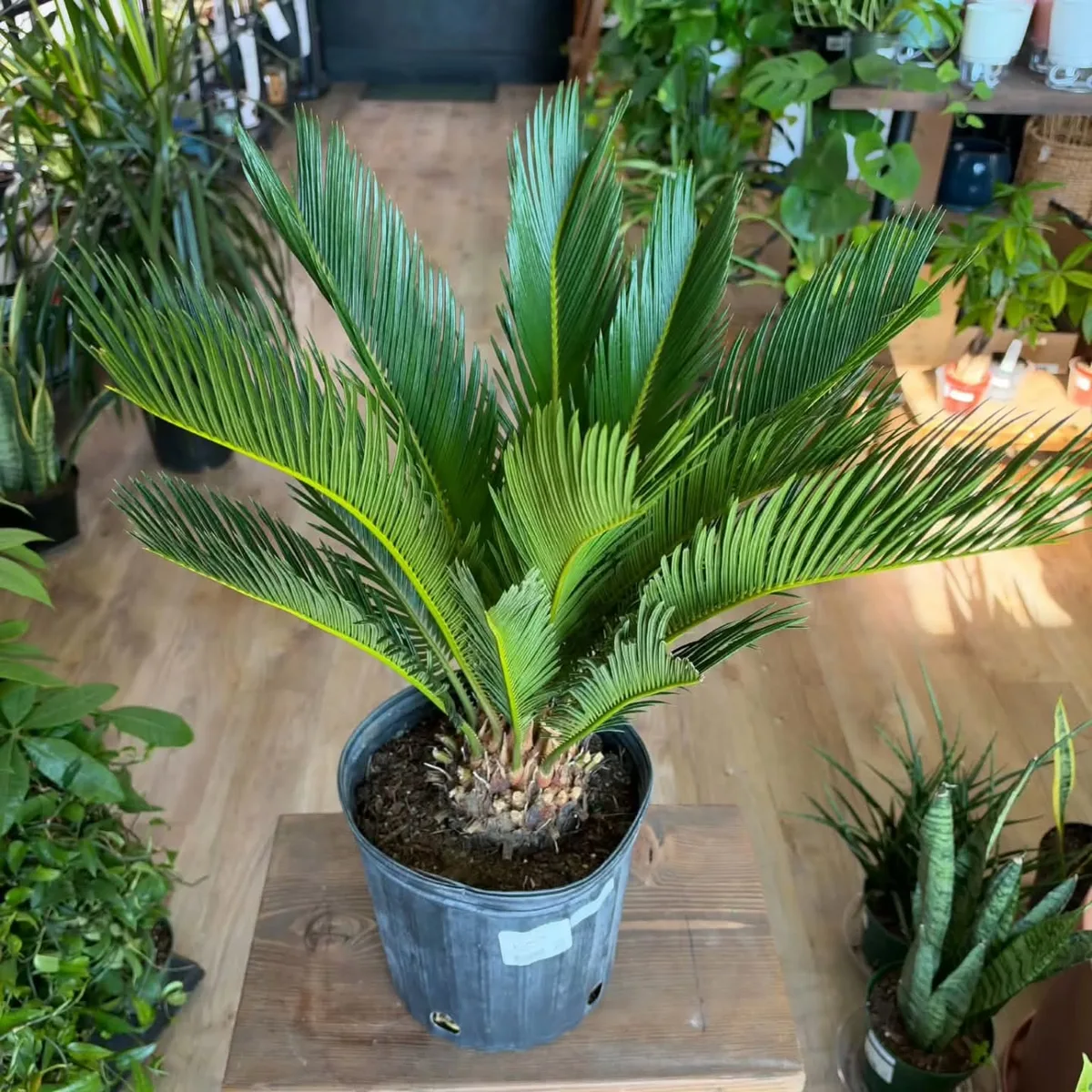
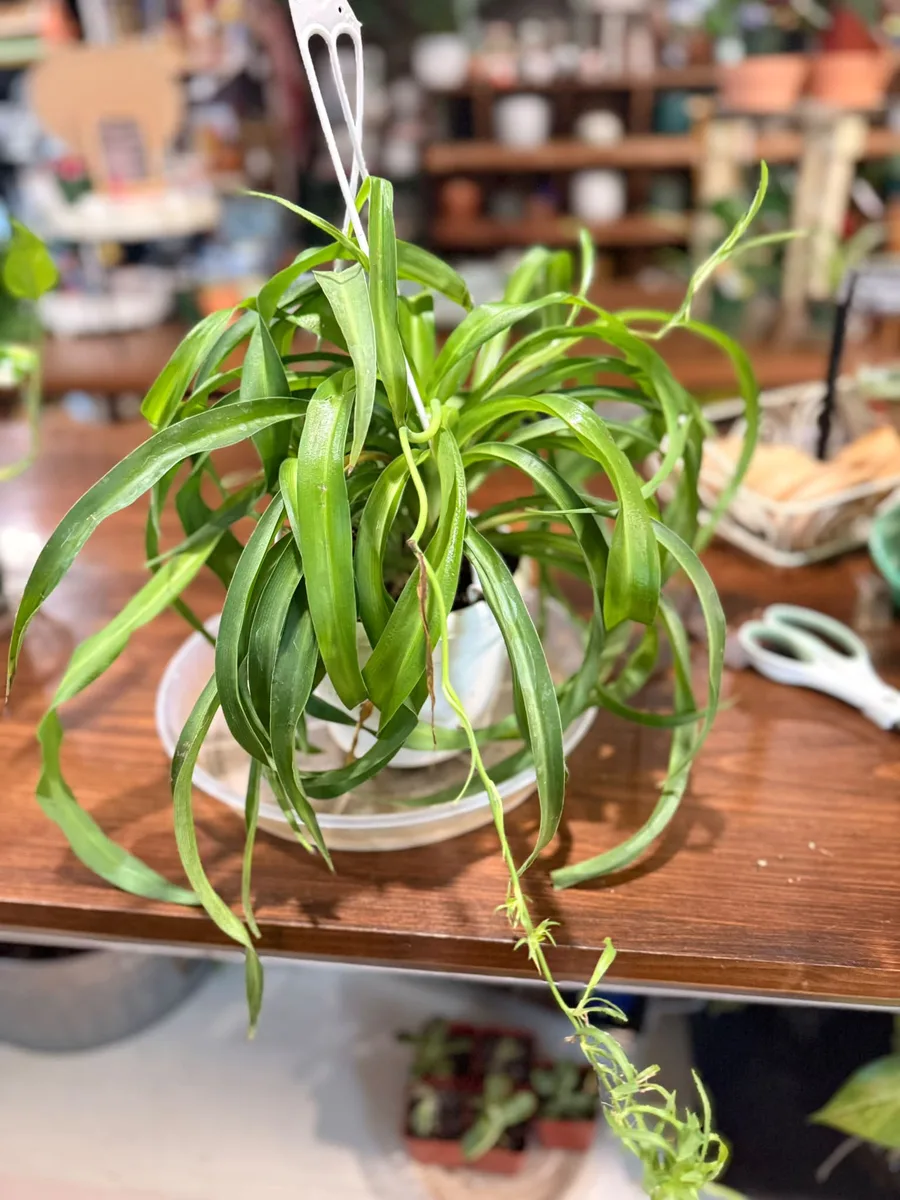
Holiday decorating with a dog in a small flat is a balancing act. You want the green, the colour, and the festive scent, but the classic holiday plants, poinsettias, lilies, mistletoe, and holly, are the ones to keep out of a dog home.
These 15 plants solve that problem. Every one is listed as non-toxic to dogs by the ASPCA, and every one fits a windowsill, a shelf, a hanging basket, or a narrow stool, so a small flat can still feel like Christmas without a single worry plant in the room.
1. Christmas Cactus on the Windowsill
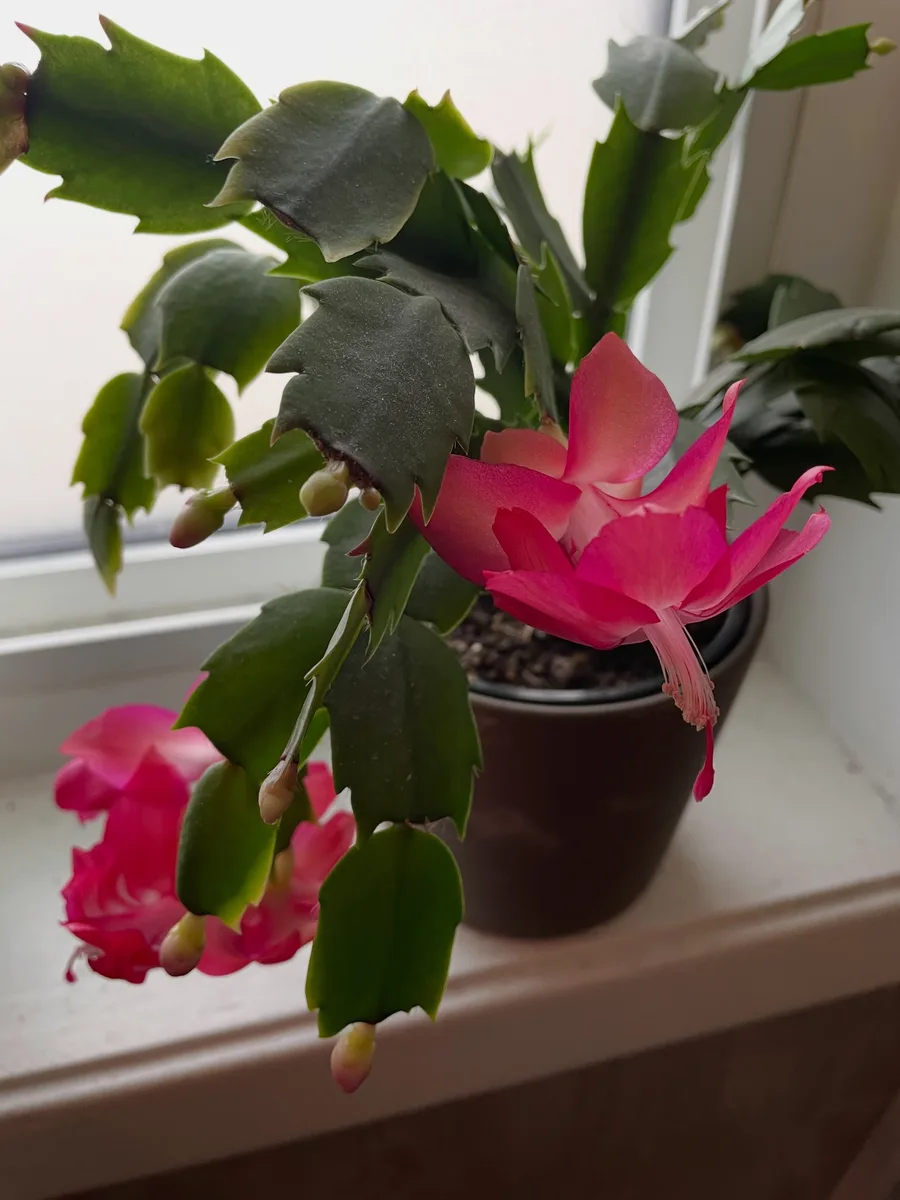
Why does this one bloom while so many other holiday plants are off limits to your girl? The Christmas cactus earns its place on the windowsill because it flowers right at Christmas, and the ASPCA lists it as non-toxic to dogs, unlike poinsettias and lilies that should stay out of a dog home.
Give it bright, indirect light and a pot that fits the sill, and it will bloom year after year without taking a scrap of floor space. Keep the pot out of her reach anyway, since a big nibble can still upset her tummy, and enjoy the pink flowers from the sofa.
Small pot
Let soil dry
Cool nights
2. A Boston Fern in a Hanging Basket
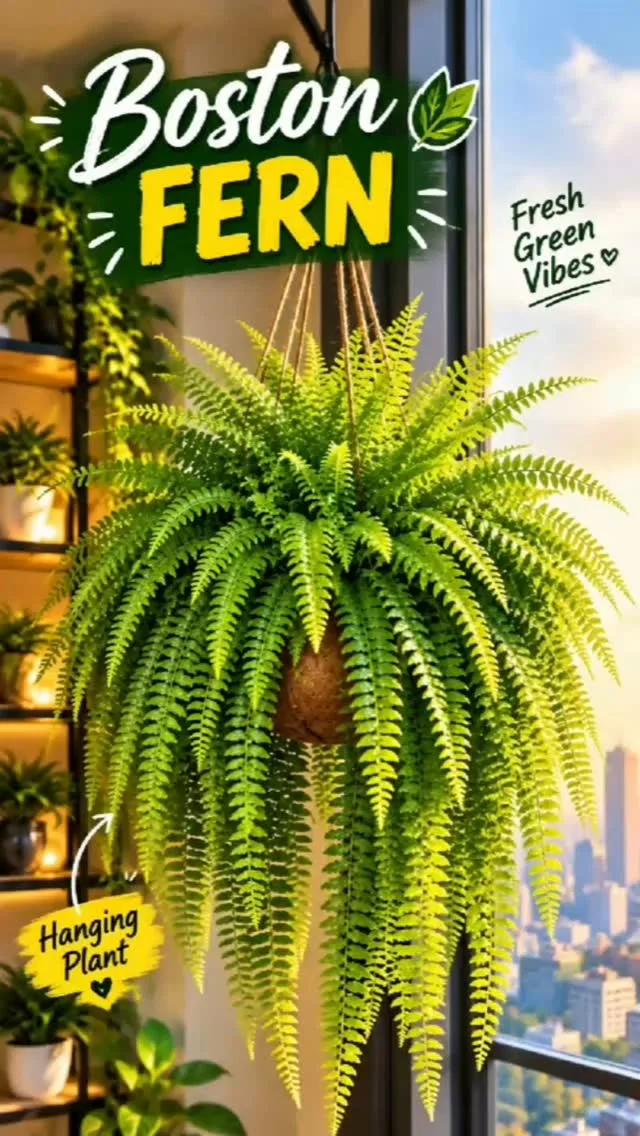
Hang it high, not on the floor. A Boston fern in a hanging basket keeps the fronds out of your girl’s reach and frees up the floor and table space a small home cannot spare, and the ASPCA lists the Boston fern as non-toxic to dogs, so a nibbled frond is not a poisoning worry (though a big mouthful may still upset her tummy).
- Pick a sturdy hook screwed into a ceiling joist, not a stick-on hook, so the basket never drops.
- Water over the sink, then hang it back once it stops dripping, so the floor stays dry.
- Trim brown fronds with clean scissors, and keep the soil damp but never soggy.
3. African Violets for a Tiny Table
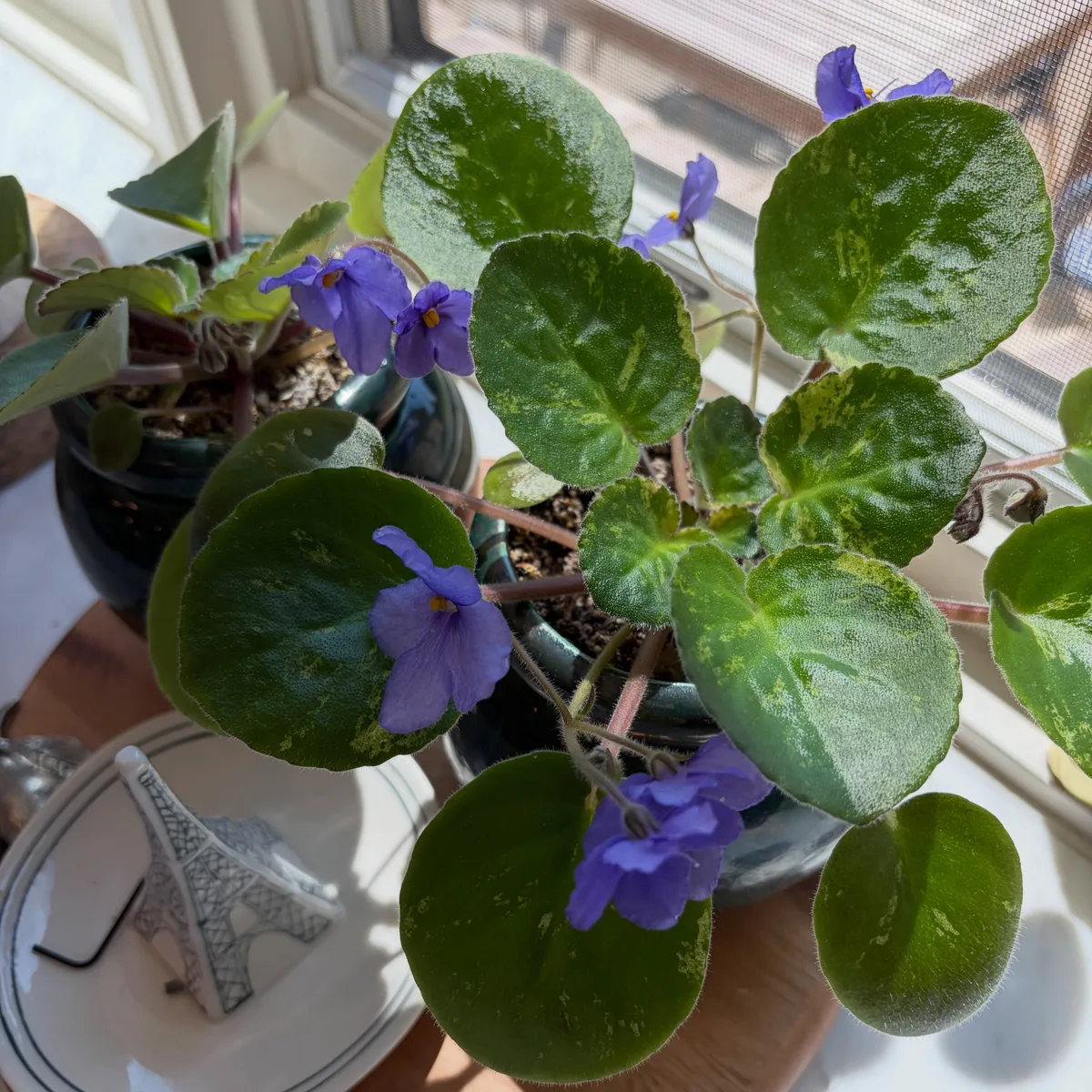
- Start with light on a small windowsill. African violets like bright, indirect light, so a kitchen or living room windowsill with a sheer curtain is ideal, and the tiny pot fits where a bigger plant never would.
- Water from below and keep the leaves dry. Set the pot in a shallow dish of room-temperature water for a few minutes, then let it drain, since wet leaves can spot and rot.
- Give your girl a safe sniff, then set the pot back up high enough that a wagging tail cannot sweep it off the table. African violets are listed as non-toxic to dogs by the ASPCA, so a curious nose is not a crisis, though the plant is still not a snack.
Choose a pot with drainage holes, so water never sits around the roots in a tiny container.
Pinch off spent blooms gently, so the plant puts energy into new flowers instead of old ones.
Set a small tray or saucer under the pot, so a little spilled water never marks the tabletop.
4. A Spider Plant Trailing From a Shelf
Do
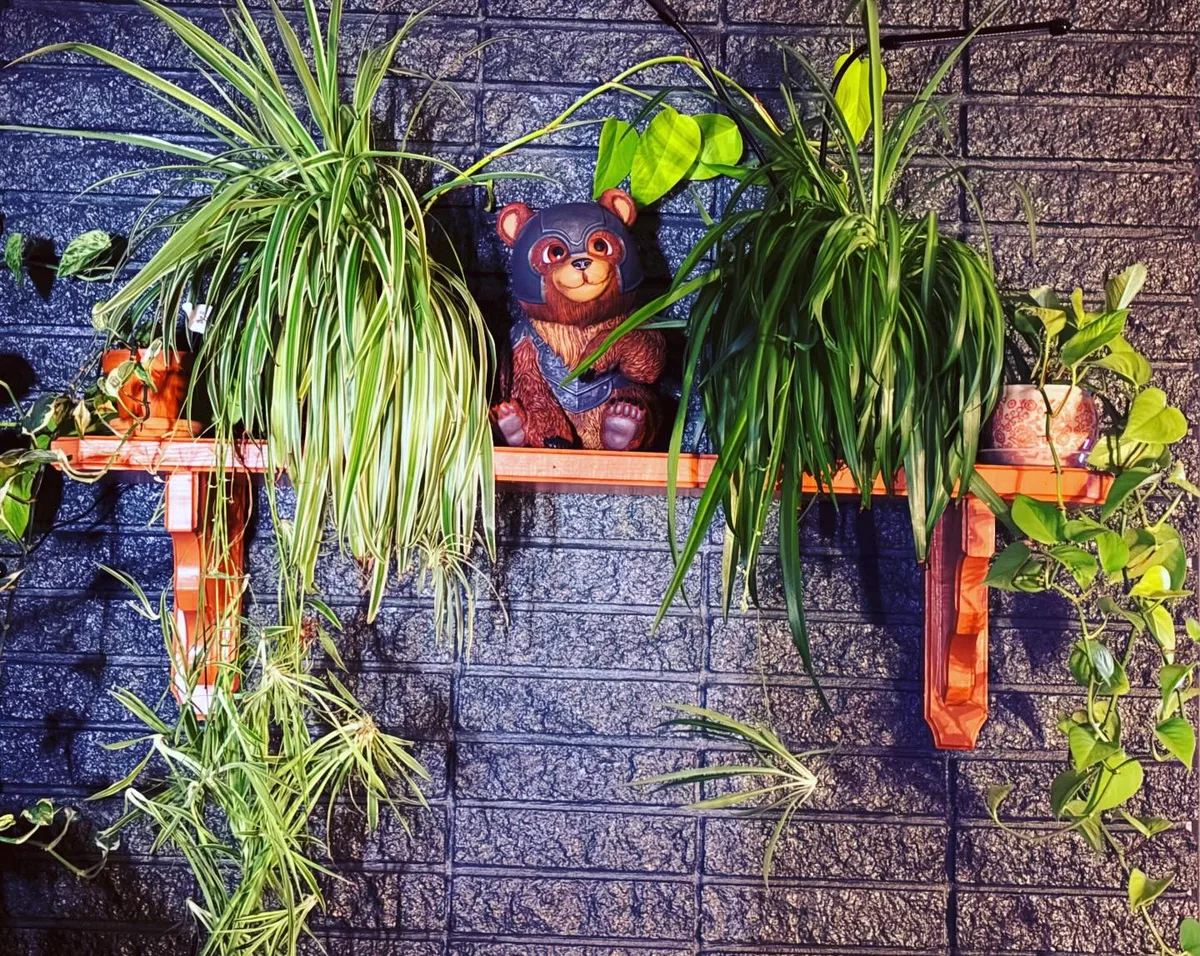
- Trailing leaves will dangle right where your girl’s nose goes, so hang the shelf high enough that the longest leaves stay above her head, and trim any strand that drops into reach.
- A shelf plant earns its place in a small home because it takes no floor space at all, so pick a sturdy shelf and a pot she cannot tip.
Don’t
- Do not hang it over her bed or food bowl, or fallen leaves will land where she sleeps and eats.
- Do not let her nibble it daily, even though the ASPCA lists spider plants as non-toxic to dogs: a big mouthful of fibrous leaves can still upset her stomach.
5. Orchids That Survive a Small Flat
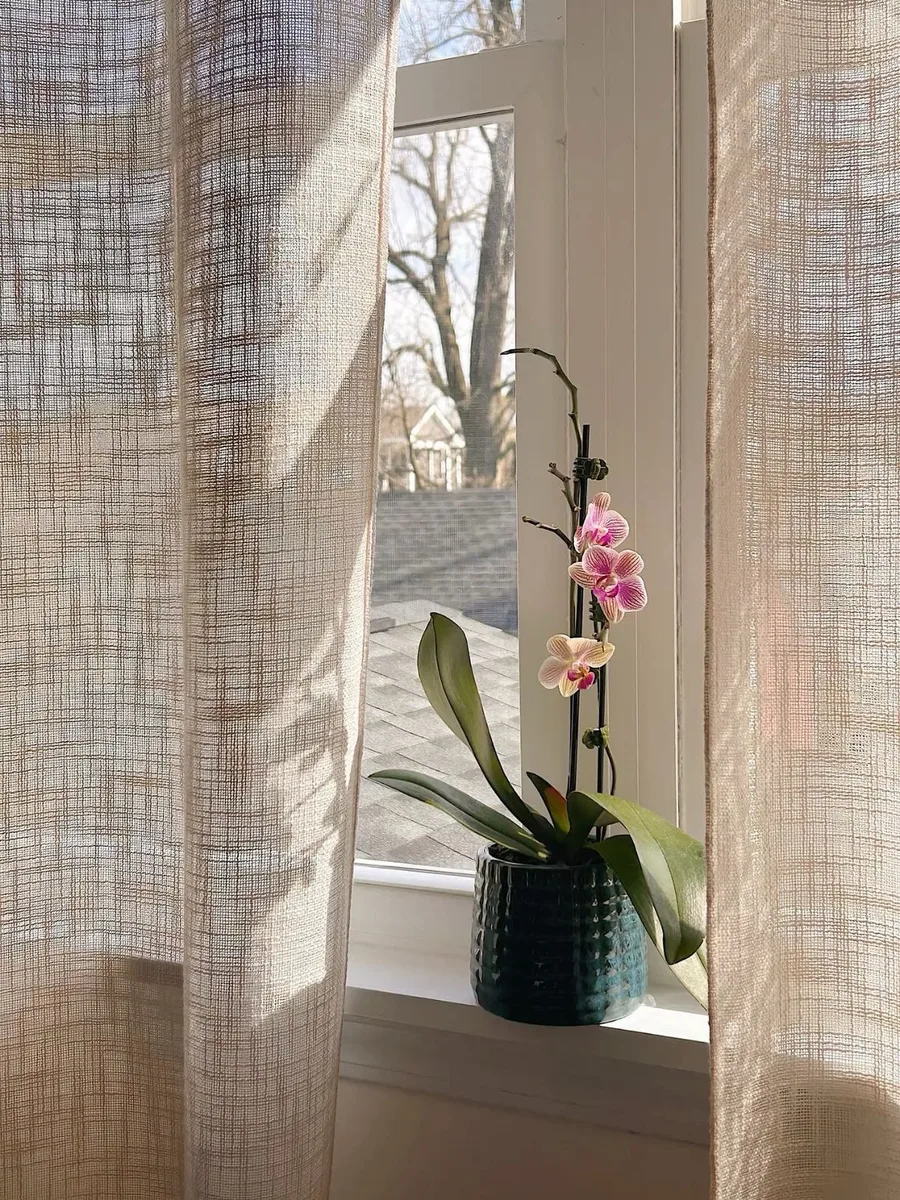
One orchid does the work of a whole display, so give it the narrow sill and let it shine. A single moth orchid in bloom brings height, colour, and a festive feel to a small flat without a big arrangement taking over your table or your girl’s favourite spot by the window. Moth orchids are listed as non-toxic to dogs by the ASPCA, so a curious sniff or nibble is unlikely to cause more than mild stomach upset, though chewing any plant is still worth discouraging.
Best for: a narrow windowsill that gets bright, indirect light | Effort: low, water only when the bark feels dry | Keep it: out of cold draughts, and check the pot has drainage so roots never sit in water
6. Prayer Plant for a Low-Light Corner
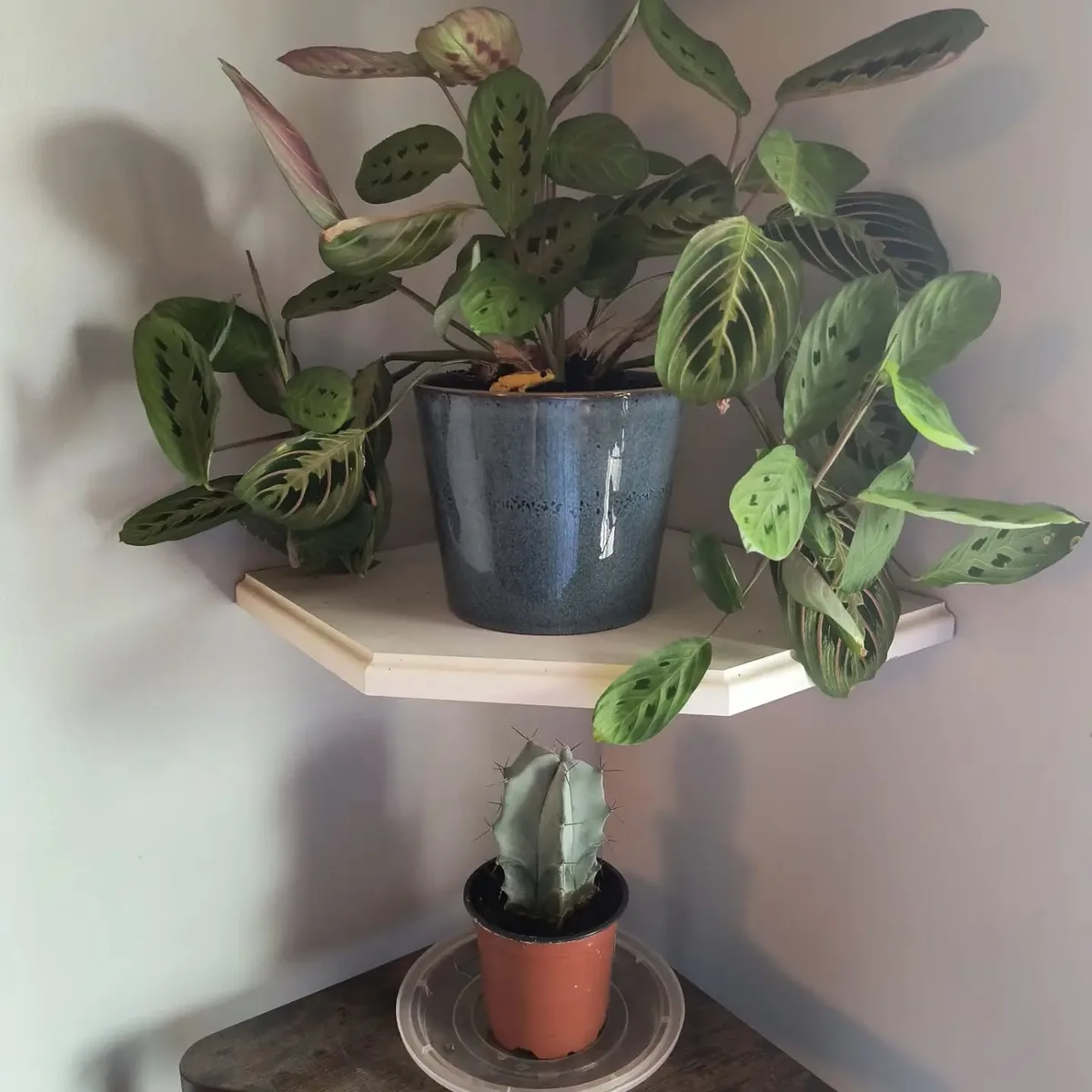
Q: Can a prayer plant live in a corner with almost no direct light?
A: Yes, and that dim corner is exactly where it is happiest. Prayer plants grow on shaded forest floors, so they prefer soft, indirect light and will scorch in direct sun. Give it a spot near, not in, a window, keep the soil lightly moist, and watch its leaves fold up at night like hands in prayer.
Q: Is it safe if my dog nibbles a leaf?
A: Yes. The ASPCA lists Maranta leuconeura as non-toxic to dogs, so a curious nibble is not a poisoning worry, though a lot of leaf fibre can still upset her tummy. Keep the pot where she can admire it, not chew it daily.
7. Peperomia in a Teacup-Sized Pot
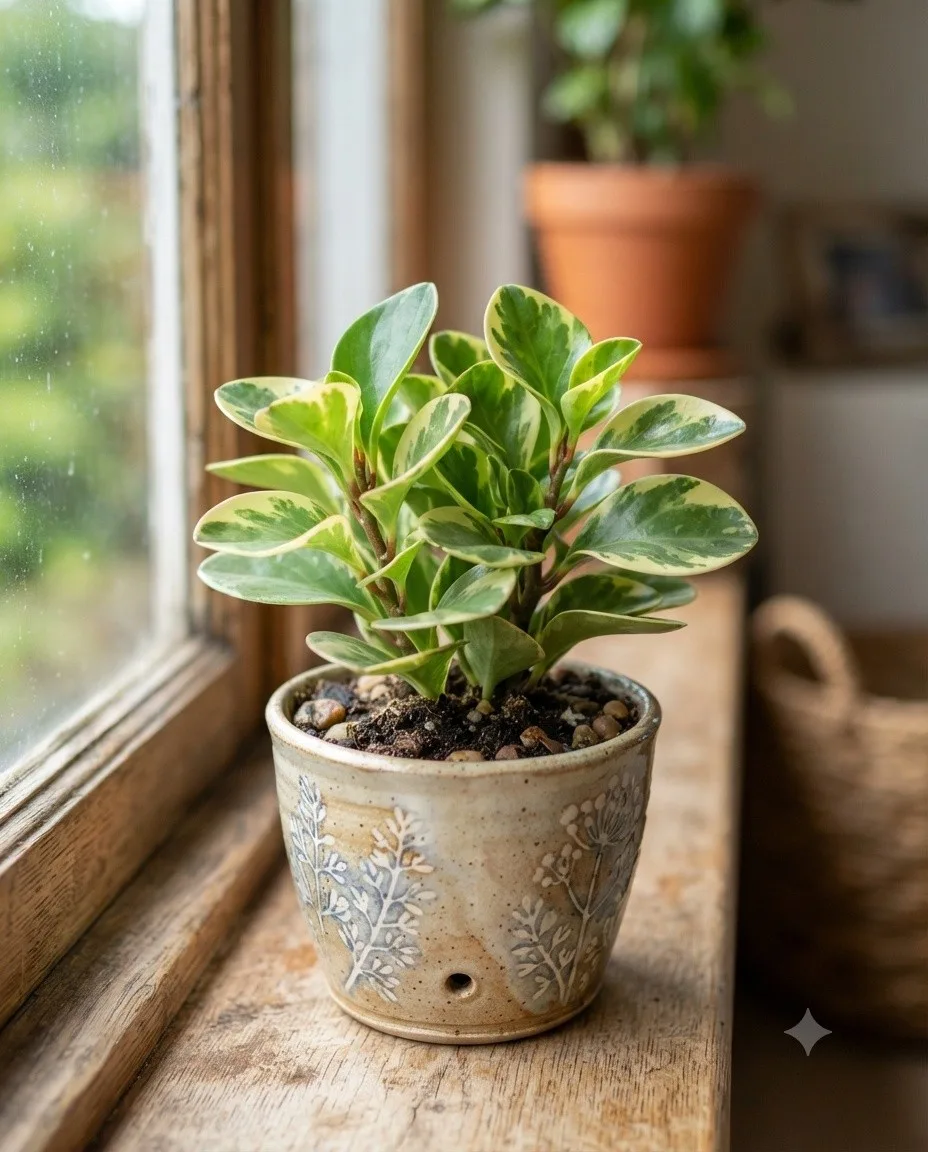
Peperomia stays small enough for the tiniest sill in your home, and the ASPCA lists several peperomia types, including the baby rubber plant, as non-toxic to dogs. That means a curious sniff or a nibbled leaf is unlikely to poison your girl, though a big mouthful of any plant can still upset her tummy, so keep the pot where she can look but not graze.
| Spot | Why |
|---|---|
| The windowsill | Bright indirect light suits peperomia, and a teacup-sized pot leaves room for your morning coffee beside it. |
| A narrow shelf | One small pot fits where a big planter never would, and stays out of tail-wagging range. |
| The kitchen counter corner | Near the window but away from the stove, so your girl can admire it without reaching it. |
8. A Money Tree by the Door
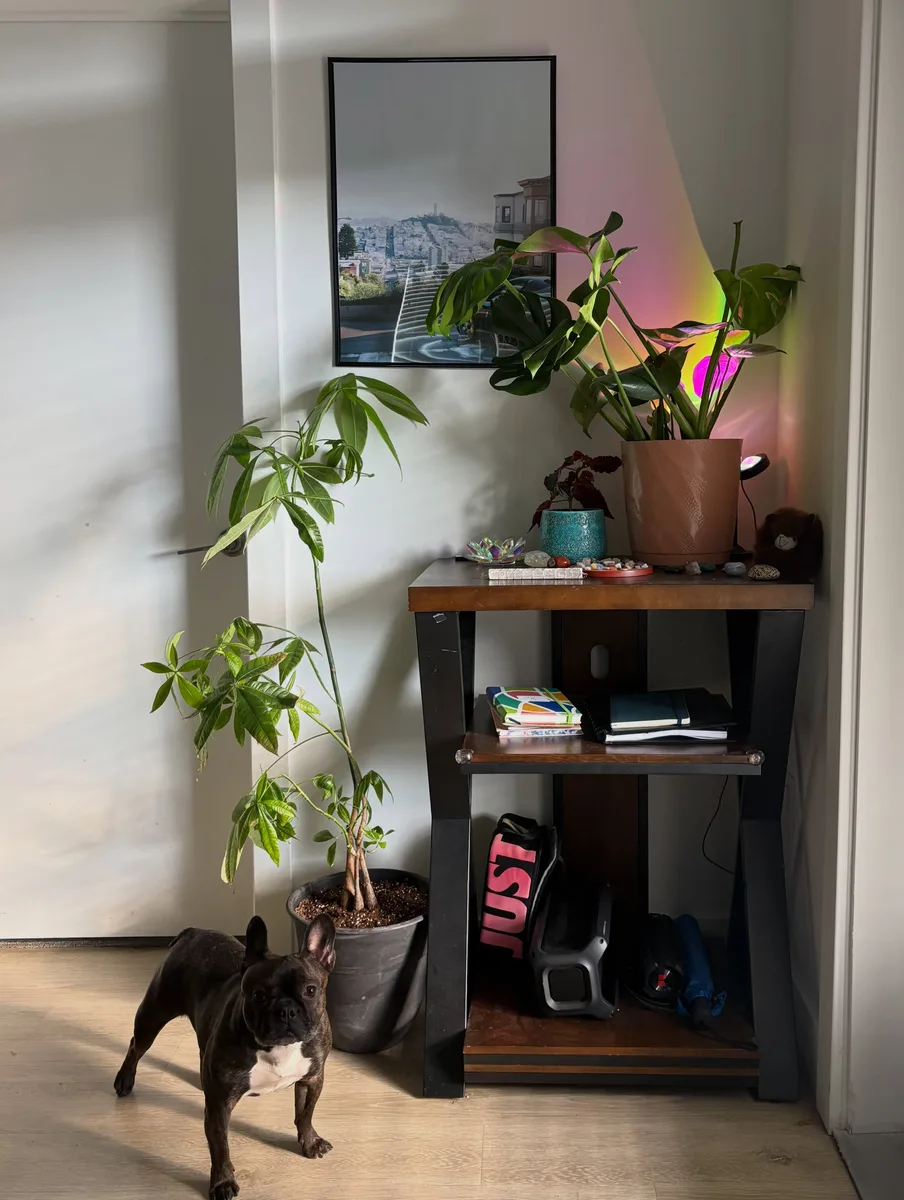
Keep it by the door, not the tree. A money tree gives you one tall, slim plant for the entryway, and its braided trunk and glossy leaves look festive without a single bauble.
Wins
- The ASPCA lists the money tree (Pachira aquatica) as non-toxic to dogs, so a nibble will not poison your girl, though a big chew can still upset her stomach.
- One tall pot by the door fills an empty corner and leaves the floor clear.
- It likes the bright, indirect light most entryways get, and it forgives a missed watering.
Watch out for
- Keep the pot steady and out of her dash path, so a happy greeting does not topple it.
- Skip tinsel and ribbons around it, since loose decorations are the real hazard.
9. Norfolk Island Pine as a Living Mini Tree
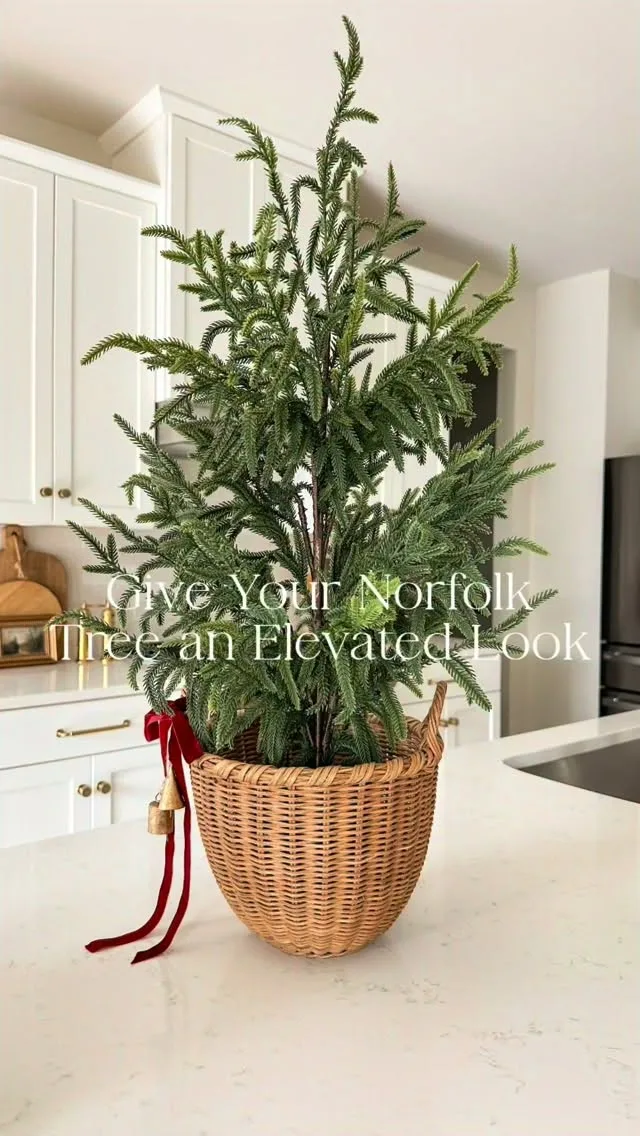
For a small flat, a living tree beats a cut one. A Norfolk Island pine in a pot gives you the shape of a Christmas tree on a tabletop, with no needles dropping on the floor and no stand water for your girl to drink. The ASPCA lists it as non-toxic to dogs, so a curious sniff or a nibbled tip is not the emergency a yew or mistletoe would be, though eating a lot of any plant can still upset her stomach, so keep it where she can admire it, not graze it.
Tip: dress it with felt ornaments and a ribbon bow, and skip glass baubles and tinsel, so a wagging tail or a curious paw cannot smash or swallow anything.
- ● Light: a bright spot near a window, out of cold draughts, keeps the branches full.
- ● Water: water only when the top of the soil feels dry, and empty the saucer so the roots never sit wet.
- ● Weight: a heavy pot stops a wagging tail from tipping the whole tree over.
- ● After Christmas: keep it as a houseplant, and it grows a little taller for next year.
10. Rosemary in a Kitchen Pot (Holiday Scent, Dog Safe)
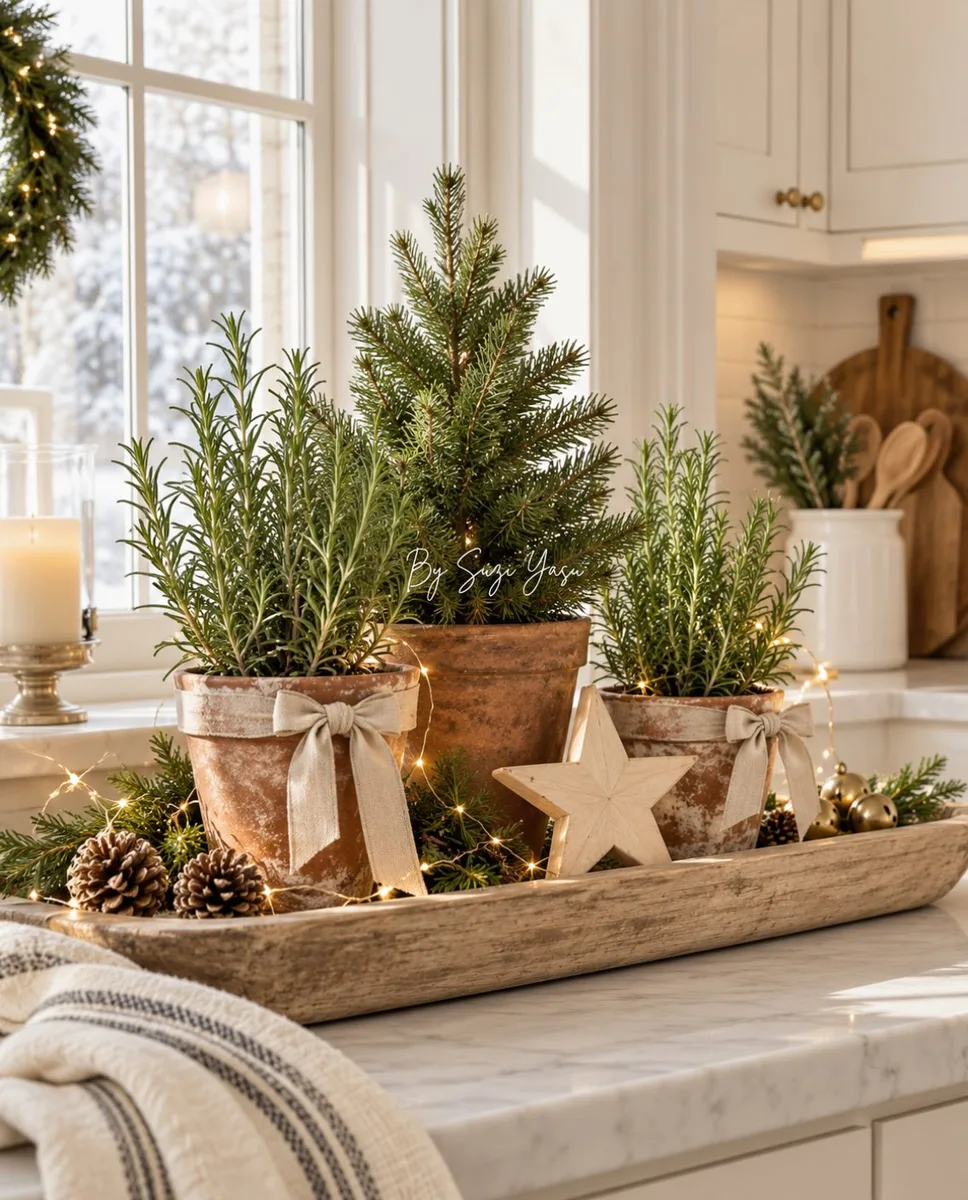
Check one thing first: the pot must be heavy enough that a wagging tail cannot tip it. A terracotta pot on the kitchen counter does two jobs at once: it scents the room every time you brush past it, and it puts fresh sprigs within reach for roast potatoes and holiday stuffing. The ASPCA lists rosemary as non-toxic to dogs, so a nibble is not a poisoning emergency, though a big mouthful can still upset her tummy, so keep the pot where she can sniff it, not graze it.
- Pick a heavy pot with a saucer, so it stays put on the counter.
- Give it your sunniest windowsill and let the soil dry between waterings.
- Snip sprigs from the top, so the plant stays bushy through the holidays.
11. Basil on the Kitchen Counter for the Holidays
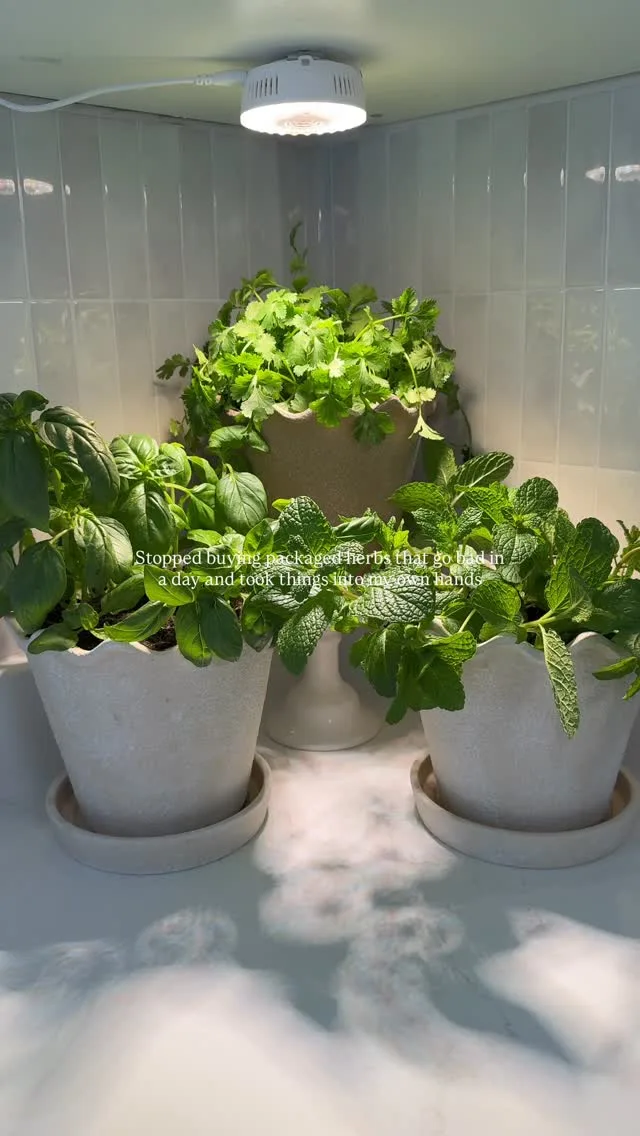
One herb pot should cover cooking and scent, and basil does both from a single spot on your counter. Keep it by the brightest kitchen window, and you can snip a few leaves for pasta while the room smells fresh. Basil is listed as non-toxic to dogs by the ASPCA, so a curious sniff from your girl is nothing to panic over, though a big nibble can still upset her tummy, so keep the pot where she can smell it but not strip it bare.
- Pick a pot with drainage holes and a saucer, so water never pools.
- Water when the top of the soil feels dry, and snip from the top to keep it bushy.
- Bring it inside before cold nights, since basil hates the cold.
12. A Polka Dot Plant for a Pop of Colour
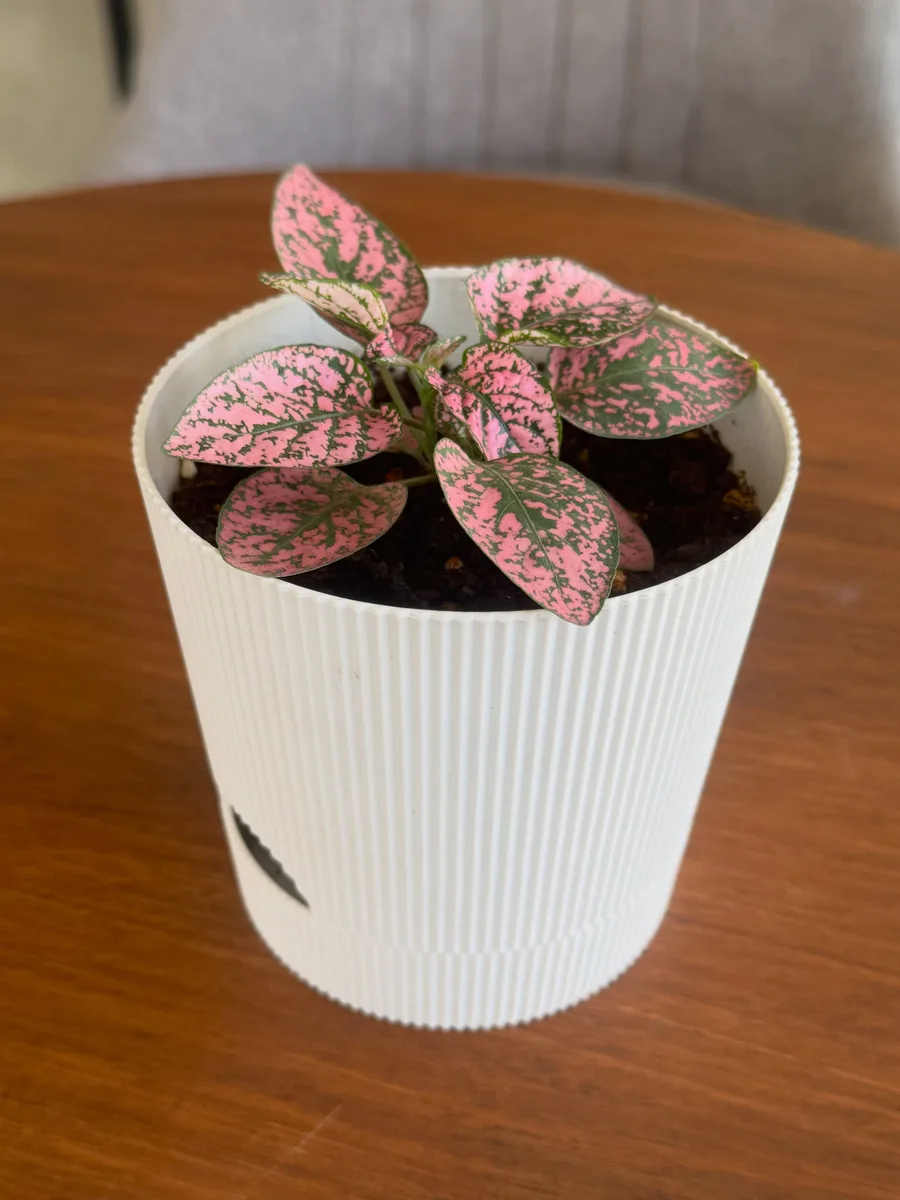
Before: watch for a plant that stays small, and the polka dot plant passes that test. Pick a young plant in a small pot, and pinch the tips so it stays bushy, not tall and leggy.
During: set it on a shelf or side table where your girl can see it but cannot reach it for a nibble. The ASPCA lists the polka dot plant as non-toxic to dogs, though a big mouthful of any plant can upset a small tummy, so keep it admired, not chewed.
After: water when the top of the soil feels dry, and move it back from a cold window on frosty nights. A compact pot never crowds your room, and the pink spots keep the holiday colour going after the tree comes down.
13. Calathea for a Humid Bathroom Corner
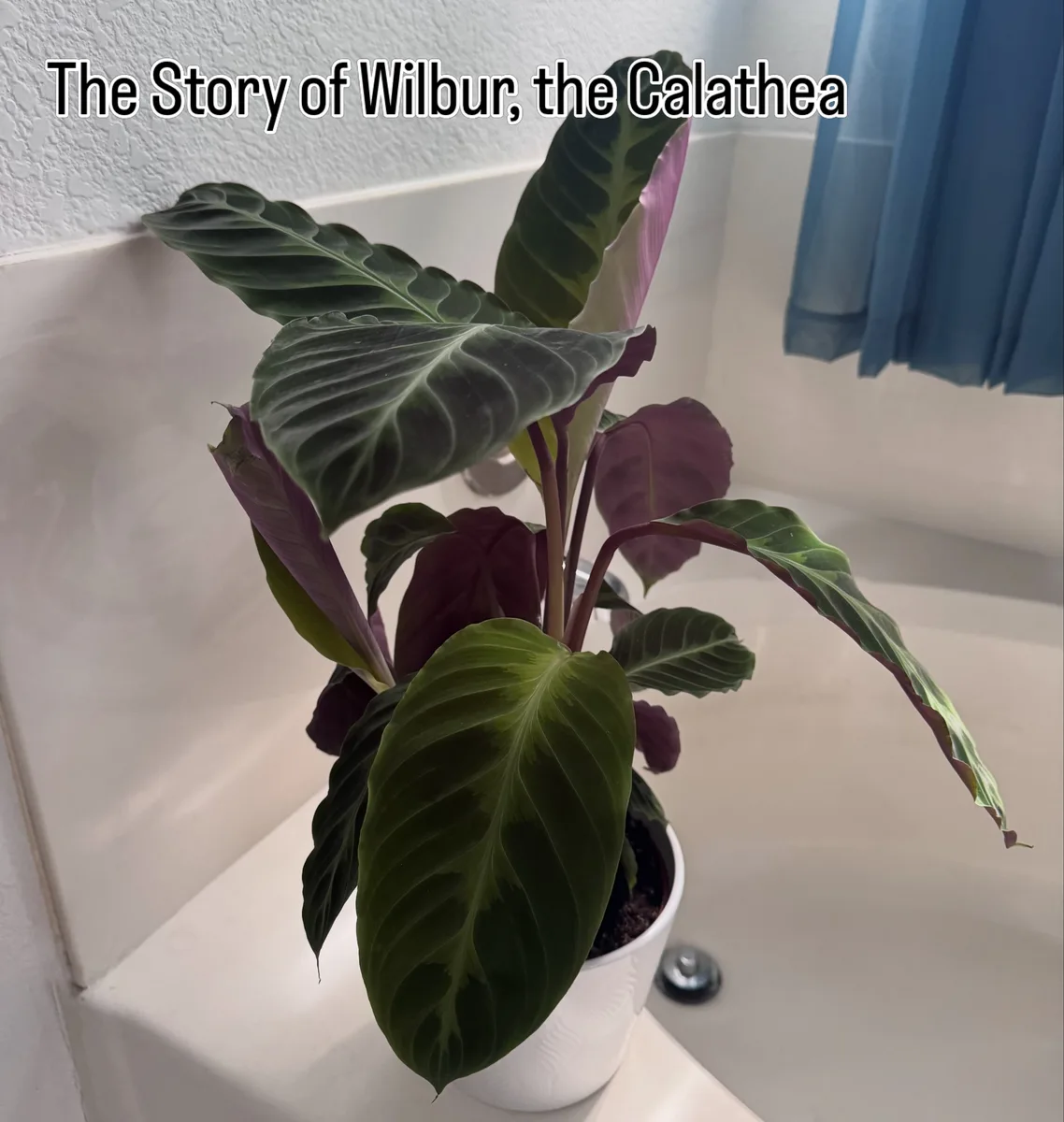
Choose the plant that loves steam, not the one that fights it. A calathea suits a humid bathroom corner because it comes from tropical forests and sulks in dry air, so the steam from your shower does the humidifying for you. Give it bright, indirect light, water when the soil surface feels dry, and a pot that drains, and its patterned leaves stay crisp instead of curling. For a dog mom, calathea is listed as non-toxic to dogs by the ASPCA, so a curious nose near the leaves is not a poisoning worry, though a nibbled leaf may upset a tummy.
Remember: keep the pot out of your girl’s splash zone, and wipe the leaves sometimes so steam and soap residue do not dull the pattern.
14. A Hoya Trailing Over a Bookshelf
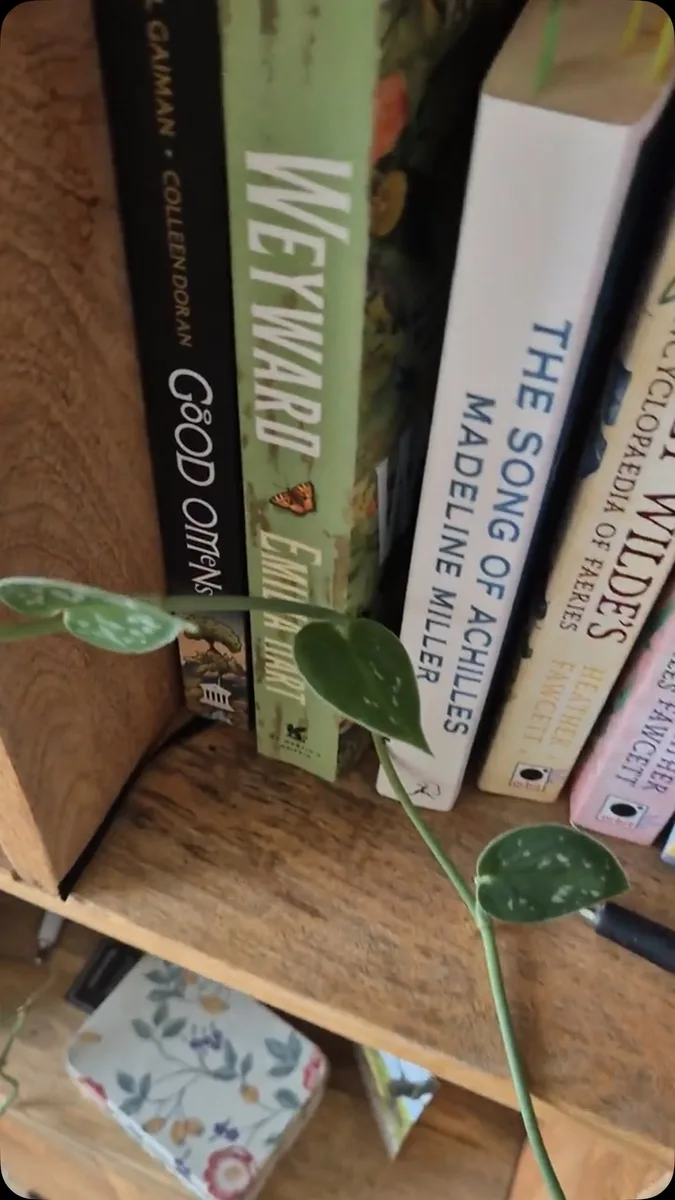
Some plants ask for almost nothing, and a hoya is one of them. Give it bright, indirect light and water only when the soil feels dry, and it will trail happily from the top of a bookshelf, its waxy leaves spilling down beside your novels without taking up a single inch of floor. The ASPCA lists hoyas as non-toxic to dogs, so if your girl sniffs a dangling vine, there is no poison to fear, though a nibble may still upset her tummy.
Keep the pot high and the vines trimmed above nose height, so she admires it rather than tugging it down, and let the trailing stems soften the shelf through the holidays, when the rest of the room is all sparkle and noise.
15. Ponytail Palm on a Narrow Stool
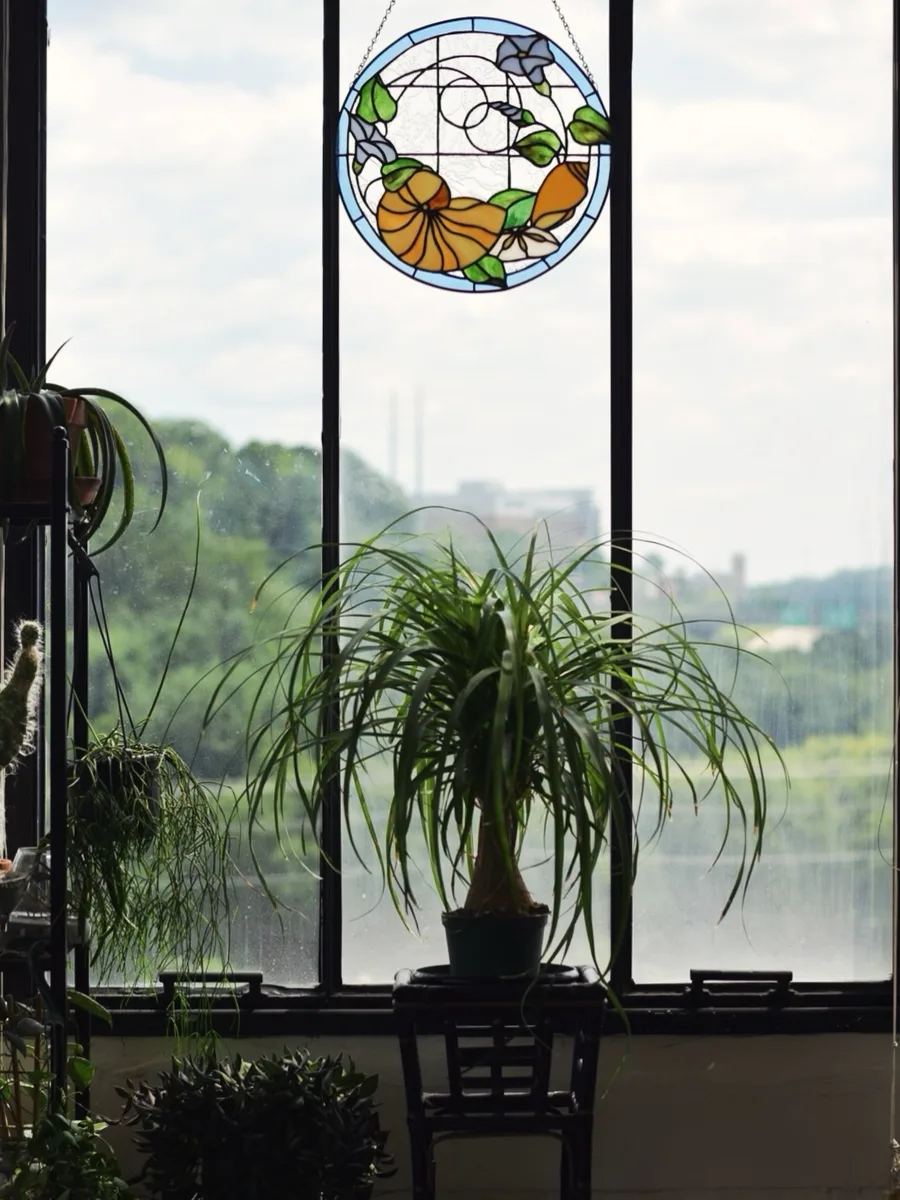
Some plants sulk if you forget a watering, and this one simply shrugs. The ponytail palm stores water in its swollen trunk, so a missed drink while you are busy with your girl does her no harm, and the ASPCA lists it as non-toxic to dogs. Set one slim pot on a narrow stool by the window, where its long leaves can arch without brushing the floor, and it brings a holiday green to the smallest corner without a floor display. Discourage chewing, since the leaf edges can scratch a curious mouth.
Tip: let the soil dry out fully between waterings, and keep the stool steady so a curious nose cannot tip it.
Frequently Asked Questions
Quick answers to the most common questions.
+Which holiday plants are dangerous for dogs?
Poinsettias, lilies, mistletoe, holly, and yew are the ones to keep out of a dog home. Lilies are especially dangerous, and even a nibble of mistletoe or holly berries can make a dog very ill, so skip them entirely and choose the safe plants in this list instead.
+Is a Christmas cactus safe for dogs?
Yes. The ASPCA lists the Christmas cactus as non-toxic to dogs, which is why it is the safest flowering plant for a holiday windowsill. Keep it out of reach anyway, since a big nibble of any plant can still upset her tummy.
+Can my dog nibble a spider plant?
A small nibble is not a poisoning worry, since the ASPCA lists spider plants as non-toxic to dogs. But the long fibrous leaves can cause mild stomach upset if she eats a lot, so hang the plant high and trim any strand that drops into her reach.
+What should I do if my dog eats a toxic plant?
Stay calm, take away anything left within reach, and call your vet straight away, telling them which plant she ate and how much. Do not make her vomit unless your vet tells you to, and keep the plant or a photo of it to show them.
+How do I keep plants out of my dog’s reach in a small flat?
Use height and weight. Hang plants from ceiling hooks, put them on high shelves and windowsills, and use heavy pots she cannot tip. A plant on a narrow stool or a hanging basket takes no floor space and stays safely above nose height.
+Are real Christmas trees safe for dogs?
A real tree drops needles she may swallow and its stand water can hold preservatives and bacteria, so cover the stand and sweep needles daily. A potted Norfolk Island pine, as in this list, gives the same shape on a tabletop with no dropped needles or open water.